

Owning a vehicle comes with a range of responsibilities that extend far beyond filling the tank and keeping it clean. From daily commuting to school drop-offs, work travel, and long road trips, a car’s reliability plays a major role in everyday life. When a vehicle runs smoothly, it supports independence, safety, and convenience. When problems arise unexpectedly, they can quickly disrupt schedules and create stress. Understanding how vehicles work and what they need to stay dependable helps drivers feel more in control of their ownership experience.
Modern vehicles are highly complex machines made up of interconnected mechanical, electrical, and computerized systems. While these advancements improve performance and safety, they also mean that small issues can sometimes lead to larger problems if ignored. Learning how to recognize early warning signs, stay consistent with maintenance, and understand common repair needs can help drivers avoid unnecessary breakdowns and expenses. Knowledge also helps reduce uncertainty when discussing issues or recommendations.
Auto repairs and upgrades do not need to feel overwhelming or confusing. With a basic understanding of how vehicles signal problems, why preventive care matters, and how roadside situations are handled, drivers can make smarter decisions with confidence.

Recognizing Common Signs Your Vehicle Needs Repair
Vehicles are designed to alert drivers when something is not functioning properly, often well before a serious failure occurs. These warning signs can include unfamiliar noises, changes in handling, vibrations, warning lights, or shifts in how the vehicle responds while driving. Paying attention to these cues helps drivers take action early, reducing the likelihood of more extensive damage. Even subtle changes can signal underlying wear that deserves attention.
Ignoring early warning signs can lead to compounding problems. A small issue left unresolved may place additional strain on related components, increasing repair costs and reducing safety. For example, unusual sounds during braking, delayed acceleration, or steering that feels loose or uneven often indicate mechanical concerns. Dashboard indicators are especially important, as they are designed to notify drivers of system malfunctions that may not be immediately noticeable. Taking these alerts seriously supports safer driving and helps preserve vehicle performance.
More specifically, recognizing when car repair is needed allows drivers to address concerns before they become disruptive or dangerous. Addressing issues early often results in quicker diagnostics, simpler fixes, and less downtime. It also reduces the risk of breakdowns that leave drivers stranded or require emergency assistance. Understanding how a vehicle communicates problems empowers drivers to respond appropriately and avoid costly surprises. Being attentive to warning signs is one of the most effective ways to protect both the vehicle and its occupants over time.
Understanding Routine Maintenance and Preventive Care
Routine maintenance is the foundation of vehicle reliability and long-term performance. Regular services such as oil changes, fluid inspections, tire rotations, and filter replacements help keep essential systems functioning properly. Preventive care reduces friction, manages heat, and minimizes wear, all of which contribute to smoother operation and better fuel efficiency. Vehicles that receive consistent maintenance are less likely to experience sudden failures and tend to perform more predictably in everyday driving.
Preventive care also helps identify developing issues before they escalate. Regular inspections allow wear patterns to be monitored and addressed proactively. Maintenance schedules are based on mileage, driving conditions, and manufacturer recommendations, all designed to protect the vehicle over time. Following these schedules helps drivers avoid unnecessary strain on critical components and supports safer operation across changing road and weather conditions.
On a more specific level, working with knowledgeable auto mechanics supports a structured approach to vehicle care. Experienced professionals understand how systems interact and can identify concerns that may not yet produce obvious symptoms. Preventive maintenance also helps preserve resale value by demonstrating responsible ownership and consistent care. When maintenance becomes a routine habit rather than a reaction to breakdowns, drivers experience fewer surprises and greater confidence behind the wheel. Preventive care ultimately saves time, reduces stress, and helps vehicles remain dependable throughout their lifespan.
Knowing When Engine and Transmission Work Is Needed
The engine and transmission are the core systems that allow a vehicle to move, accelerate, and operate efficiently. When these systems are working properly, driving feels smooth and responsive. When problems begin to develop, performance often changes gradually rather than failing all at once. Drivers may notice reduced power, rough shifting, unusual noises, or changes in fuel efficiency. Because these systems are highly interconnected, issues in one area can quickly affect others if left unaddressed. Understanding how these components behave when they are under strain helps drivers recognize when professional evaluation is needed.
More specifically, transmission issues often appear as delayed gear engagement, slipping between gears, shuddering during acceleration, or warning lights on the dashboard. These symptoms can signal internal wear that worsens over time. In situations where internal components have deteriorated significantly, transmission rebuilds may be required to restore proper function and reliability. Addressing transmission concerns early helps prevent complete failure, which can leave a vehicle undrivable. Prompt attention also helps drivers avoid additional damage to the engine or drivetrain. Knowing when engine or transmission work is needed allows drivers to act before minor issues escalate into major disruptions or unexpected breakdowns.
Exploring Suspension and Performance Upgrades
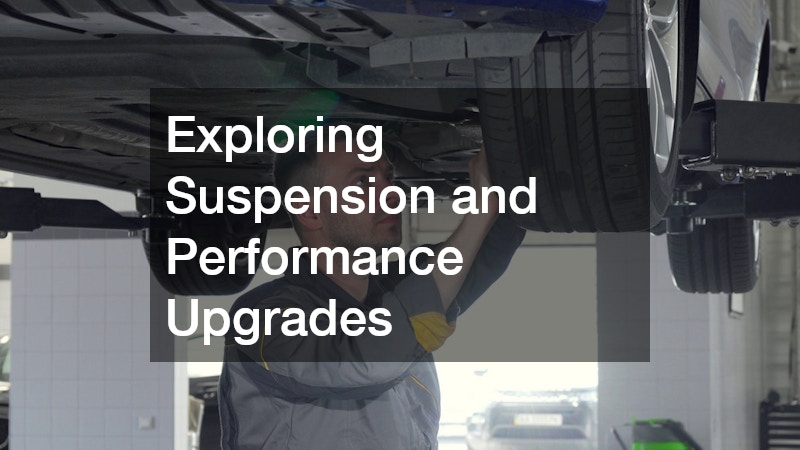
A vehicle’s suspension system plays a critical role in ride comfort, stability, and overall control. It absorbs road impacts, supports the vehicle’s weight, and helps keep tires in contact with the road surface. When suspension components wear out, drivers may notice increased bouncing, uneven tire wear, or reduced steering responsiveness. Beyond repairs, some drivers explore suspension upgrades to improve performance, enhance comfort, or adapt their vehicle to specific driving conditions.
On a more specific level, suspension upgrades can significantly change how a vehicle handles and feels on the road. One popular modification involves installing lift kits, which raise the vehicle’s height and allow for larger tires or improved ground clearance. These upgrades are often chosen for off-road capability or aesthetic preferences, but they also affect steering geometry, braking behavior, and overall balance. Because suspension changes impact multiple systems, careful planning and proper installation are essential. Drivers should consider how upgrades align with their driving habits, safety needs, and vehicle use. When suspension modifications are approached thoughtfully, they can enhance performance while maintaining stability and drivability.
Addressing Wheel, Tire, and Alignment Issues
Wheels and tires are essential to safe driving because they are the only parts of the vehicle that make direct contact with the road. Their condition affects handling, braking, traction, and ride quality. Problems in this area often show up as vibrations, uneven tire wear, steering pull, or difficulty maintaining control. Addressing wheel and tire issues promptly helps prevent further strain on suspension and steering components while improving overall driving comfort.
More specifically, impacts from potholes, curbs, or road debris can cause structural damage that requires car wheel repair. Bent or cracked wheels can lead to air pressure loss, vibration at higher speeds, and accelerated tire wear if not corrected. Regular inspections help identify damage early, reducing the risk of more costly repairs later. Proper wheel condition also supports accurate alignment, which helps the vehicle track straight and maintain predictable handling. By addressing wheel, tire, and alignment issues as soon as symptoms appear, drivers protect their safety, extend tire life, and preserve a smoother, more controlled driving experience.
Choosing the Right Auto Repair Services
Selecting the right place to service your vehicle is an important part of responsible car ownership. Repairs and maintenance directly affect safety, reliability, and long-term performance, making trust and communication essential. Drivers benefit from service providers who explain issues clearly, offer realistic timelines, and focus on solutions that align with the vehicle’s condition and usage. Feeling confident in where you take your car helps reduce stress when unexpected repairs arise.
More specifically, choosing an auto repair shop involves looking beyond convenience alone. Consistent service history, transparent pricing, and clear recommendations help drivers make informed decisions without feeling pressured. A good service experience includes thorough inspections, accurate diagnostics, and a focus on addressing the root cause of problems rather than temporary fixes. When drivers understand what work is being done and why, they are better able to plan for future maintenance and manage costs. Choosing the right service provider supports long-term reliability and helps drivers feel more in control of their vehicle care.
Understanding Fuel Types and Engine Requirements
Fuel type plays a major role in how a vehicle performs and how it should be maintained. Different engines are designed to operate with specific fuels, and using the correct option helps support efficiency, power, and longevity. As alternative fuel options become more common, drivers are increasingly faced with choices that go beyond traditional gasoline. Understanding these differences helps prevent performance issues and supports proper engine operation.
More specifically, some vehicles are designed or modified to run on propane, which requires specialized components and maintenance considerations. Engines using alternative fuels may have different service schedules, performance characteristics, and storage requirements compared to gasoline-powered vehicles. Drivers should be aware of how fuel choice affects engine wear, efficiency, and availability. Knowing these details helps ensure the vehicle is operated correctly and maintained according to its design. When fuel type and engine requirements are properly understood, drivers can make informed choices that support performance and reliability over time.
Preparing for Breakdowns and Roadside Emergencies
Even well-maintained vehicles can experience unexpected issues on the road. Flat tires, dead batteries, overheating, or mechanical failures can occur without warning. Preparing for these situations helps drivers respond calmly and safely. Keeping emergency supplies, knowing basic safety steps, and understanding when to pull over all contribute to better outcomes during roadside incidents.
More specifically, knowing when to contact a towing company can prevent further damage and improve safety. Attempting to drive a compromised vehicle may worsen the problem or create hazardous conditions. Professional towing services help transport vehicles safely when driving is no longer an option. Planning ahead by understanding roadside assistance options and emergency procedures reduces stress during breakdowns.
Evaluating Repair Costs and Service Recommendations
Understanding repair costs and service recommendations helps drivers make confident, informed decisions about their vehicles. Auto repairs can vary widely in price depending on the issue, vehicle type, and labor involved. Without context, estimates may feel confusing or overwhelming. Learning how to evaluate recommendations allows drivers to prioritize necessary repairs while planning for future maintenance. Clear explanations and realistic expectations help reduce stress and prevent surprises.
On a more specific level, cost considerations can differ based on vehicle type and engine design. For example, vehicles with heavy-duty or specialized engines often require technicians with advanced training. Consulting a diesel engine mechanic may be necessary for certain repairs, which can influence pricing due to specialized tools and expertise. Understanding why certain repairs cost more helps drivers assess value rather than focusing solely on price.
Keeping Your Vehicle Reliable for Everyday Driving
Reliability is one of the most important qualities drivers expect from their vehicles. A reliable car supports daily commuting, errands, and long-distance travel without constant concern. Achieving this reliability depends on consistent care, timely repairs, and attention to how the vehicle feels on the road. Small adjustments and regular checkups help prevent performance issues from developing over time.
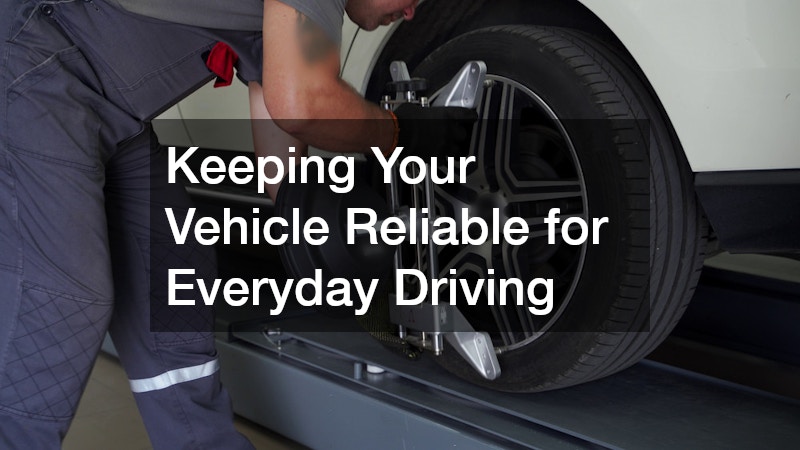
On a more specific level, maintaining proper alignment plays a key role in everyday drivability. When wheels are aligned correctly, the vehicle tracks straight, steering feels responsive, and tires wear evenly. Poor alignment can cause pulling, vibration, and accelerated tire wear, which may affect safety and comfort. Addressing alignment issues promptly improves handling and supports smoother driving. By focusing on the details that affect road performance, drivers can keep their vehicles dependable and enjoyable to drive on a daily basis.
Understanding auto repairs, upgrades, and roadside preparation helps drivers approach vehicle ownership with confidence rather than uncertainty. From recognizing early warning signs to staying consistent with maintenance and preparing for unexpected situations, informed decisions support safer and more reliable driving. Knowledge reduces stress by turning unfamiliar problems into manageable tasks.
A proactive approach to vehicle care also protects long-term value. When drivers address issues early, follow maintenance schedules, and understand how different systems work together, they reduce the likelihood of major repairs and breakdowns. Reliable vehicles are not just the result of occasional fixes, but of consistent attention and informed choices over time.