
Buying a pre-owned vehicle always requires a significant amount of research. Astute buyers typically spend days scrolling through online classifieds, comparing listing prices, and analyzing history reports to find a reliable machine. However, the overall complexity increases dramatically when the vehicle under consideration features aftermarket modifications. Whether it is a sports coupe sitting inches from the asphalt or a rugged four-wheel-drive machine built for traversing backcountry trails, modified vehicles present a unique set of challenges. Shoppers must learn to separate premium, professional upgrades from hasty garage projects that might compromise long-term safety and structural reliability.
The core allure of acquiring a vehicle that already boasts thousands of dollars in aftermarket enhancements is easy to comprehend. This pathway saves time, eliminates installation labor, and frequently offers a massive financial discount compared to building a custom vehicle from scratch. But without a structured, rigorous approach to evaluating these mechanical alterations, a seemingly excellent deal can rapidly devolve into an expensive mechanical nightmare. This comprehensive guide outlines a strict diagnostic approach to verifying the quality of modified vehicles, helping automotive buyers make a sound investment while safeguarding their household finances from unforeseen repair costs.
Understanding the Motivation Behind Custom Modifications
To properly evaluate a customized vehicle, a buyer must first understand the exact intent behind the previous owner’s alterations. Some enthusiasts modify their vehicles purely for visual aesthetics, while others focus entirely on increasing performance or rugged utility. For example, an outdoor enthusiast might install specialized gear to handle remote job sites or weekend wilderness expeditions. When examining an altered pickup or sport utility vehicle, looking closely at the installed truck accessories can offer immediate clues regarding how that vehicle was driven. Heavy winches, steel bumpers, and roof-mounted cargo racks indicate that the vehicle likely spent significant time in demanding, off-road environments.
Understanding this past usage helps an individual search for specific patterns of mechanical wear. A vehicle driven solely for casual commuting requires a completely different inspection focus than one subjected to regular trail driving or high-speed track days. Buyers should always request documentation regarding every single modification from the seller. Original receipts, brand names, and installation invoices are incredibly valuable assets during a transaction. They prove definitively whether the parts came from highly reputable manufacturers or if the previous owner relied on cheap, unbranded alternatives.
Verifying Core Mechanical Integrity and Baseline Health
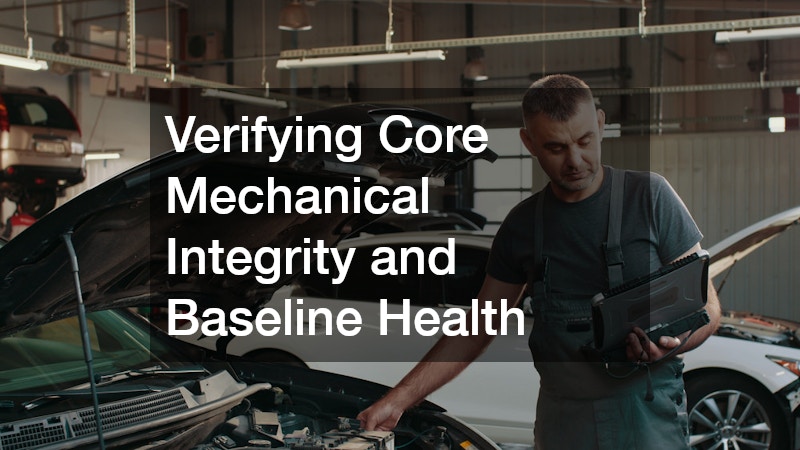
Before getting distracted by flashy aftermarket enhancements, the absolute baseline health of the vehicle must be meticulously evaluated. The engine, transmission, and primary cooling systems form the foundation of any dependable machine. Modifications often place immense additional stress on these factory-engineered components. For instance, a performance software tune might increase horsepower, but it also increases internal operational temperatures and cylinder pressures. Buyers must determine if the core factory systems can handle these heightened demands over thousands of miles.
Requesting a comprehensive pre-purchase inspection by a professional car repair service is an indispensable step in this acquisition process. A certified automotive technician can connect specialized diagnostic tools to check for hidden trouble codes that a seller might have cleared prior to the meeting. Mechanics can also perform engine compression tests to verify internal health and look for fluid leaks around the oil pan, transmission housing, and radiator cores. Modified vehicles are notorious for minor fluid leaks caused by altered vacuum lines, custom brackets, or aftermarket cooling loops.
Inspecting External Structural Alignment and Panel Fitment
The exterior appearance of a customized vehicle often tells a deep story that goes beneath the surface clear coat. Altered body panels, wide fender flares, or custom fiberglass hoods frequently hint at structural adjustments hidden underneath. Buyers must carefully inspect the precise gaps between all body panels. Factory-assembled body lines should be completely uniform across the entire perimeter of the machine. If a fender gap is noticeably wider on one side of the vehicle than the other, it typically points to poor structural alignment or a cheaply installed body kit.
It is highly recommended to have an experienced auto body technician look over the vehicle if any structural alterations are present on the frame or sheet metal. These specialists know exactly how to spot hidden structural issues, such as mismatched paint shades, overspray on rubber seals, or subtle ripples in the metal that indicate past collisions. They can also utilize specialized electronic paint depth gauges to see if heavy layers of plastic filler are hiding corrosion or deep structural dings beneath a fresh coat of paint. When vehicles are modified, factory mounting points are sometimes drilled out or removed completely to fit custom components.
The Value of Thorough Cleanliness in Diagnostics
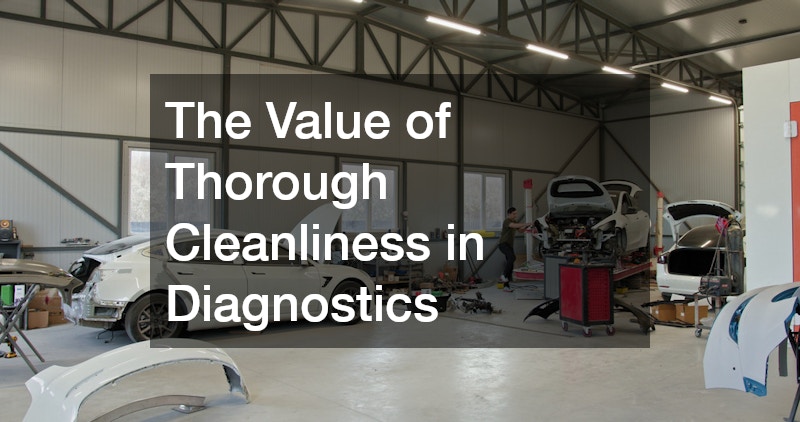
A clean vehicle is substantially easier to evaluate accurately than one covered in road grime or mud. Sellers often present vehicles immediately after a superficial washing to ensure they look pristine for potential buyers. However, a rapid surface cleaning can sometimes mask serious underlying issues like weeping gaskets, minor frame scrapes, or structural corrosion. Buyers must look past the shiny wax and examine the areas that are incredibly difficult to reach.
Taking the vehicle through high-quality car washes before finalizing an inspection can actually reveal a tremendous amount of information about its overall build quality. A high-pressure wash acts as an excellent real-world test for aftermarket window seals, custom sunroofs, or modified weather stripping. If water manages to seep into the cabin or the trunk during a standard wash cycle, it indicates poor installation or degraded weatherproofing that will cause issues later. Additionally, cleaning the undercarriage thoroughly makes it much easier to spot fresh oil or transmission fluid leaks that might occur immediately after a vigorous road test.
Evaluating Wheel Specifications and Dynamic Road Contact
The specific manner in which a vehicle connects with the pavement dictates its ultimate safety, handling characteristics, and fuel efficiency. Modified vehicles frequently sport oversized wheels or aggressive tread designs that completely alter the original driving dynamics. While oversized rubber might give a vehicle a highly desirable, aggressive stance, it forces the factory steering rack and powertrain components to work significantly harder than the original manufacturing engineers ever intended.
Buyers must examine the physical condition of the tires very carefully during the initial walkaround inspection. It is necessary to look closely for uneven tread wear patterns, which serve as a classic indicator of poor wheel alignment or worn steering joints. If the inner edge of the rubber tread is completely bald while the outer edge remains intact, the vehicle’s alignment geometry is severely out of specification. Additionally, buyers need to check the production date codes stamped into the sidewalls to ensure the rubber compounds are not dangerously old or dry-rotted, which increases the risk of a sudden high-speed blowout.
Assessing Structural Changes and Alignment Geometry

Modifying a vehicle’s factory ride height is one of the most common upgrades automotive enthusiasts perform. Trucks are lifted to provide better ground clearance for off-road obstacles, while sports cars are lowered to improve aerodynamics and cornering grip on dry pavement. However, changing the ride height alters the entire geometry of the steering system. It directly affects the drive shafts, the control arms, and the CV joints, putting them under extreme angles they were never engineered to endure.
A detailed inspection of the suspension repair history is absolutely crucial when buying these types of altered vehicles. Buyers must verify whether the previous owner used cheap suspension spacers or investment-grade adjustable control arms to achieve the modified ride height. Cheap lift or lowering kits often result in a harsh, unstable ride and accelerate the wear of surrounding chassis components. Inspectors should look closely at the rubber bushings, ball joints, and tie rod ends for signs of cracking or excessive physical play. A properly modified chassis will include upgraded supporting components.
Verifying Stopping Power and Braking System Safety
When a vehicle undergoes significant performance enhancements or receives heavier external structural modifications, its ability to stop safely becomes a paramount safety concern. Added weight from steel bumpers or increased horsepower from engine tuning means the factory-installed braking system might no longer be adequate for emergency stops. Responsible vehicle builders will always upgrade the rotors, brake lines, and calipers to match the new performance metrics of the altered vehicle.
Consulting with certified brake repair specialists is an exceptional way to verify that a modified vehicle can stop safely in an emergency situation. These trained professionals can measure precise rotor thickness, inspect the condition of hydraulic brake lines, and ensure that aftermarket calipers are functioning smoothly without binding. They will also check the system for signs of severe brake fade or uneven pad wear, which can indicate that the system is under excessive thermal strain. If a heavily modified vehicle still utilizes tiny factory brakes, the buyer must budget for an immediate upgrade to ensure road safety.
Examining Electronic Network Stability and Vehicle Security
Modern vehicles rely heavily on highly complex electronic networks to manage everything from engine performance to cabin security systems. When previous owners install aftermarket electronics, such as remote engine starters, high-end audio amplifiers, or custom security alarms, they must splice directly into the factory wiring harness. Poorly executed electrical work can cause intermittent short circuits, drain the battery overnight, or even disable critical safety features like supplemental restraint systems.
Buyers should also pay incredibly close attention to the security system and the physical condition of the keys. Consulting with professional auto locksmiths can save an automotive buyer from massive technical headaches later on. These lock experts can verify if aftermarket key fobs, transponders, and remote start systems are properly programmed to communicate with the vehicle’s central computer. They can also check if the physical door locks and ignition cylinders have been compromised or altered during the modification process, ensuring the vehicle remains secure against theft while preventing unexpected lockouts.
Navigating Financial Risks and Policy Adjustments

Once the physical condition and mechanical safety of the modified vehicle are completely verified, the financial and legal aspects of ownership must be addressed. Standard automotive insurance policies are designed strictly for factory-specification vehicles. Insurance corporations typically determine total payout values based on standard market depreciation metrics. If a modified vehicle is involved in an incident, a standard policy will not cover the cost of expensive aftermarket wheels, custom suspensions, or specialized engine components unless those specific parts were declared.
Before finalizing the purchase, the buyer needs to contact an insurance representative to establish a comprehensive home and auto insurance policy that includes specialized riders for modified vehicles. This is often referred to as stated value or agreed value coverage in the insurance industry. The buyer will need to submit all receipts, photographs, and professional appraisals of the modifications to the insurer. While this specialized coverage can increase the monthly premium slightly, it ensures that the full financial value of the vehicle and its upgrades are protected in the event of theft, vandalism, or an accident.
Reviewing Past Incidents and Legal Accountability
The final phase of the comprehensive protection checklist involves safeguarding oneself from legal liabilities associated with a modified vehicle’s past operating history. Modified vehicles are occasionally involved in unsanctioned street racing incidents or reckless driving events before they are placed on the used market. If a vehicle carries a hidden history of being involved in illegal activities or serious accidents, it could carry lingering legal issues or severe structural weaknesses that do not show up on a standard title search.
Reviewing the detailed vehicle history through official channels or consulting with car accident attorneys can provide immense clarity if a vehicle’s background seems suspicious or incomplete. These legal professionals understand exactly how to uncover hidden insurance fraud, undisclosed salvage histories, or lingering litigation tied directly to a specific vehicle identification number. Purchasing a vehicle that was involved in a major crash where structural modifications were compromised can leave the new owner vulnerable to extreme safety risks, making legal verification an essential shield.
Making an Informed Decision
Purchasing a pre-owned, modified vehicle can be an incredibly rewarding experience if approached with immense patience and a strict inspection checklist. By systematically verifying the mechanical, structural, and electrical upgrades, an automotive buyer can easily avoid the hidden traps that often catch unsuspecting shoppers off guard. Taking the time to consult with specialized professionals ensures that every modification adds genuine value rather than introducing dangerous structural liabilities to the household.
Ultimately, a modified vehicle should provide long-term joy, utility, and reliable performance on the open road. By adhering to a rigorous inspection approach and securing the correct financial protections, buyers can confidently drive away in a personalized machine that is safely built to last. Protecting an automotive investment before signing the final bill of sale transforms a potentially risky purchase into a smart, secure, and exhilarating long-term addition to any driveway.