

Understanding vehicle damage is essential for every driver, not just mechanics or enthusiasts. Cars are complex machines that rely on multiple interconnected systems, and when one part is affected—whether by wear, weather, or an accident—it can trigger a chain reaction of issues. Recognizing the type and severity of damage early can save significant money, prevent safety risks, and extend the lifespan of a vehicle.
Modern vehicles are built with tightly integrated mechanical, electrical, and computerized systems, which means even a small issue can influence multiple components at once. For example, a minor fluid leak might not seem urgent at first, but it can lead to overheating, engine strain, or transmission damage if ignored. Similarly, a small collision can misalign sensors or structural elements that affect braking, steering, and stability systems. Because of this complexity, drivers benefit greatly from learning how to identify early warning signs rather than waiting for a complete failure.
This guide breaks down the most common categories of vehicle damage and explains how each is properly diagnosed and repaired. It also highlights practical steps drivers can take to make informed decisions when something goes wrong, whether it’s a minor issue or a major repair situation. In addition, it emphasizes the importance of preventative maintenance, regular inspections, and understanding when professional evaluation is necessary. By becoming more aware of how damage develops and spreads, drivers can respond more confidently, avoid unnecessary repair costs, and maintain safer, more reliable vehicles over time.
Everyday Mechanical Issues and Early Warning Signs
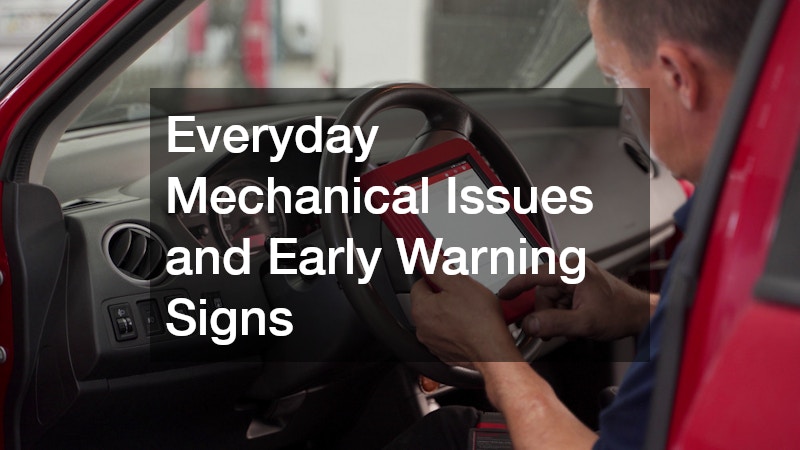
Many vehicle problems start small and gradually worsen over time. Ignoring early warning signs often leads to more expensive repairs later. Routine maintenance and timely intervention are key to avoiding breakdowns.
General maintenance and repair work handled through auto repair ensures that small issues are corrected before they escalate into serious mechanical failures. Whether it’s unusual engine noise, reduced fuel efficiency, or dashboard warning lights, these signs should never be ignored. Small symptoms often indicate underlying wear in components such as belts, hoses, sensors, or fluids that are beginning to fail.
A trusted auto repair shop plays a critical role in diagnosing issues accurately. Professional technicians use diagnostic tools to identify problems that may not be visible to the driver. Modern vehicles are equipped with onboard computer systems that store error codes, but interpreting those codes correctly requires experience and specialized equipment. Without proper diagnostics, drivers may end up replacing the wrong parts or overlooking the root cause entirely.
Common early warning signs include:
- Unusual noises (knocking, grinding, or squealing)
- Dashboard warning lights
- Fluid leaks under the vehicle
- Difficulty starting the engine
- Decreased fuel efficiency
- Vibrations while driving or braking inconsistencies
These symptoms often appear gradually, making them easy to dismiss. However, even subtle changes in vehicle behavior can indicate developing mechanical issues that will worsen if ignored.
Practical steps drivers should take:
- Check fluid levels monthly (oil, coolant, brake fluid, transmission fluid)
- Pay attention to changes in steering, braking, or acceleration
- Schedule diagnostic checks immediately when warning lights appear
- Avoid delaying minor repairs, even if the vehicle still “runs fine”
- Listen for new or unusual sounds during startup and driving
Routine inspections and timely servicing help maintain performance and reduce long-term repair costs. Even small mechanical issues can quickly escalate if left unaddressed, potentially leading to engine failure, transmission damage, or unsafe driving conditions.
Exterior Damage from Minor and Moderate Accidents
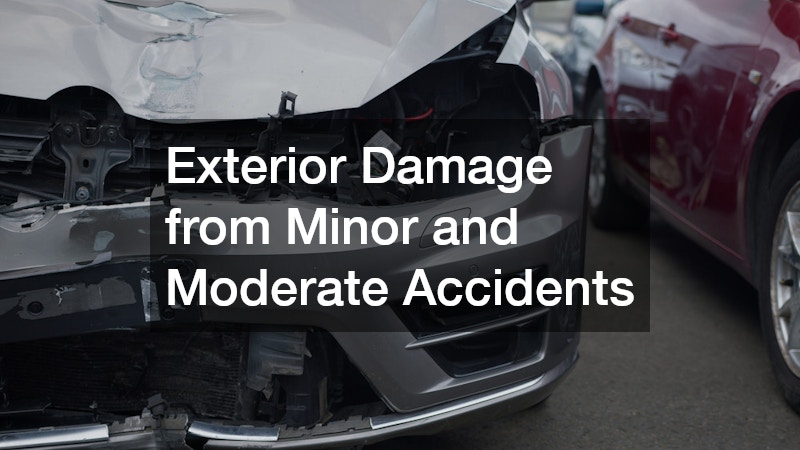
Exterior damage is one of the most common types of vehicle issues, often resulting from parking lot accidents, low-speed collisions, or environmental hazards. While some damage may seem purely cosmetic at first glance, it can still affect structural integrity, paint protection layers, and long-term durability. What appears to be a simple scratch or dent may actually expose metal components to moisture, leading to corrosion that spreads beneath the surface over time.
Professional collision repair is essential for restoring both appearance and safety after an accident. Technicians assess whether damage is surface-level or if deeper structural issues are present. This evaluation often includes checking alignment, measuring panel gaps, and inspecting internal mounting points that are not visible externally. Without proper inspection, hidden damage can compromise safety in future impacts.
Auto body services address a wide range of exterior concerns, including dents, scratches, panel damage, and paint restoration. These services help ensure that vehicles not only look good but also maintain their protective integrity. High-quality refinishing work also helps preserve resale value and prevents long-term deterioration caused by weather exposure.
Key types of exterior damage:
- Surface scratches and paint chips
- Dents from minor impacts
- Cracked bumpers or panels
- Rust formation from exposed metal
- Misaligned body panels after impact
Actionable repair tips:
- Address scratches quickly to prevent rust from forming and spreading
- Use professional assessments for dent depth evaluation instead of guessing severity
- Avoid temporary cosmetic fixes for structural damage, as they may hide serious issues
- Always inspect hidden areas after an accident, including under bumpers and wheel wells
- Wash and dry damaged areas regularly to reduce moisture buildup
Even minor exterior damage can worsen over time if moisture, road salt, and debris penetrate exposed surfaces. Over weeks or months, this can lead to bubbling paint, weakening metal, and more expensive repairs. Professional evaluation ensures that no underlying issues are missed and that repairs restore both appearance and structural safety.
Severe Impact Damage and Structural Restoration
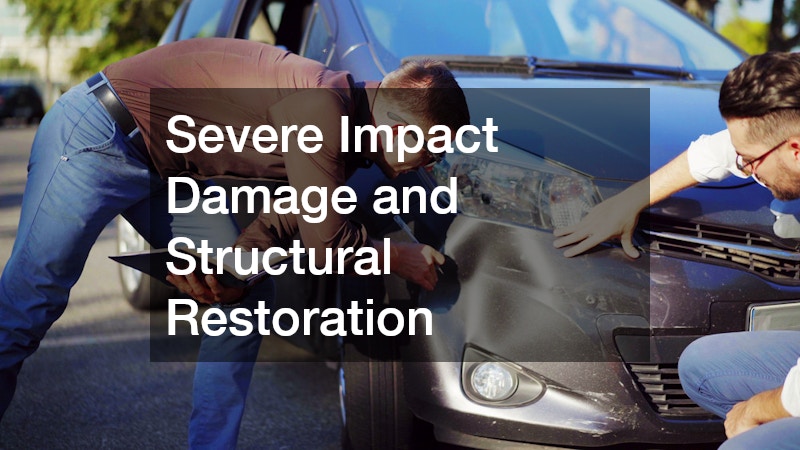
Severe collisions often cause more than visible damage. They can affect the vehicle’s frame, alignment, suspension geometry, and overall safety systems. In many cases, the true extent of damage is not immediately obvious after an accident, especially when modern vehicles are designed with crumple zones that absorb impact energy. While these features protect passengers, they also mean that hidden structural damage is common even in collisions that look moderate on the outside. These types of repairs require advanced tools, precision measurement systems, and highly trained technicians.
Auto collision repair focuses on restoring vehicles that have sustained significant impact damage. This process often involves frame straightening, structural realignment, and replacement of critical components such as suspension mounts, crumple zones, and subframes. Technicians use computerized measuring systems to ensure that every angle and dimension matches manufacturer specifications. Even a small deviation in alignment can affect handling, braking efficiency, and long-term tire wear.
Comprehensive auto body repair services go beyond surface repairs, addressing both visible and hidden damage to ensure the vehicle meets safety standards again. This includes inspecting internal reinforcements, recalibrating driver assistance systems, and verifying that airbags and sensors are functioning correctly after impact.
Indicators of severe damage:
- Misaligned doors or panels
- Uneven tire wear after an accident
- Steering pulling to one side
- Visible frame distortion
- Airbag deployment
- Unusual vibrations at higher speeds
Restoration process overview:
- Full structural inspection and computerized measurement
- Frame straightening using hydraulic or laser-guided equipment
- Replacement of damaged structural parts and reinforcements
- Safety system recalibration, including sensors and airbags
- Final quality checks, road testing, and alignment verification
Important considerations:
- Never ignore frame damage—it directly affects crash safety and vehicle stability
- Ensure certified technicians handle all structural repairs, especially for modern vehicles with advanced materials
- Verify post-repair alignment accuracy through documented results, not just visual inspection
- Always request a post-repair safety inspection and road test before returning the vehicle to regular use
- Understand that proper repairs may take time due to precision requirements
Severe impact damage requires precision, expertise, and strict attention to manufacturer standards to ensure the vehicle is safe, reliable, and structurally sound again. Make sure you are getting your auto body repair services done by a trained professional.
Engine Cooling and Air Conditioning System Problems
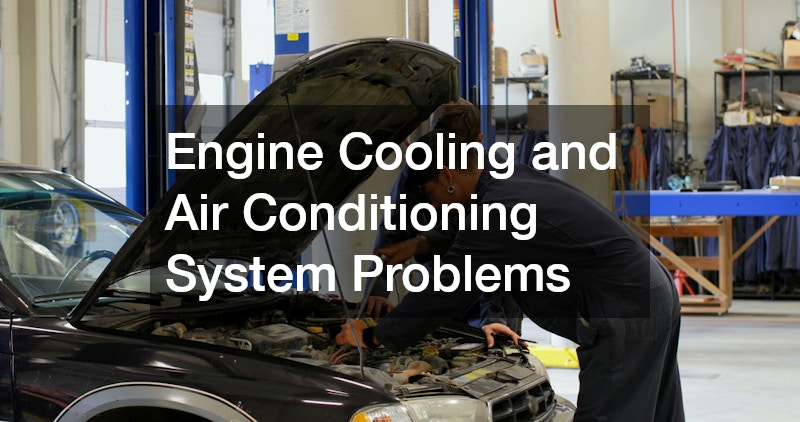
Comfort and engine health are closely tied to a vehicle’s cooling systems. When these systems fail, they can cause both discomfort and serious mechanical damage if ignored. The engine cooling system regulates temperature to prevent overheating, while the air conditioning system maintains cabin comfort and helps manage humidity and defogging. When either system begins to fail, the effects can escalate quickly, especially during extreme weather conditions or long drives.
Car ac repair is essential when air conditioning systems stop functioning properly. Issues such as weak airflow, warm air output, inconsistent cooling, or strange odors often indicate deeper system problems. These symptoms may point to refrigerant leaks, compressor issues, or blocked airflow pathways that reduce efficiency. In many cases, drivers notice performance decline gradually, which makes it easy to delay repairs until the system stops working entirely.
In some cases, repairs may require replacing worn or broken components. This is where used car parts can offer a cost-effective solution, especially for older vehicles where full OEM replacement parts may be expensive or difficult to source. However, careful inspection is necessary to ensure reliability and compatibility before installation.
Common AC and cooling system issues:
- Low refrigerant levels due to leaks
- Compressor failure or reduced efficiency
- Clogged or dirty cabin air filters
- Radiator leaks or cooling fan malfunction
- Electrical faults in AC control systems
- Thermostat failures affecting engine temperature regulation
Practical troubleshooting steps:
- Check and replace cabin air filters regularly to maintain airflow
- Inspect for visible coolant leaks under the vehicle after parking
- Monitor engine temperature gauge to detect overheating early
- Run the AC periodically, even in cooler months, to keep components lubricated
- Listen for unusual sounds when the AC system engages
When considering parts replacement:
- Compare cost, durability, and warranty of new vs used components
- Ensure full compatibility with your vehicle’s make, model, and year
- Source parts from reputable suppliers with clear return policies
- Verify part condition thoroughly, including seals, hoses, and electrical connectors
- Avoid installing parts with unknown usage history or visible wear
Maintaining a functioning cooling system helps protect both passenger comfort and engine performance, reducing the risk of overheating, system failure, and long-term mechanical damage.
Glass Damage, Visibility, and Safety Concerns
Vehicle glass plays a critical role in driver safety and structural integrity. The windshield, in particular, is designed not only to provide visibility but also to support the roof structure in the event of a rollover accident. Even small chips or cracks can expand quickly due to temperature changes, road vibrations, or sudden impacts such as potholes. What begins as a minor blemish can rapidly spread across the glass, turning a simple repair into a full replacement if not addressed promptly.
An auto glass company specializes in repairing and replacing windshields and other vehicle glass components. Their work often includes recalibrating advanced driver-assistance systems (ADAS) that are built into modern windshields, such as lane departure warnings, forward collision sensors, and automatic braking cameras. Proper calibration is essential, as even slight misalignment can affect how these safety systems function.
In some cases, auto body repair is also required when glass damage is part of a larger impact event affecting surrounding panels, seals, or structural frames. This ensures that the entire vehicle structure is restored properly rather than focusing only on the glass itself.
Common types of glass damage:
- Small chips from road debris such as gravel or stones
- Long cracks spreading across the windshield surface
- Shattered side or rear windows from impact or break-ins
- Pitting and surface wear from prolonged highway driving
Safety risks of ignoring glass damage:
- Reduced visibility during rain, glare, or nighttime driving
- Structural weakening of the vehicle roof in rollover situations
- Increased likelihood of sudden shattering during impact
- Impaired airbag deployment accuracy due to compromised windshield support
Repair vs replacement guidelines:
- Chips smaller than a coin or dime are often repairable if addressed early
- Cracks extending across the windshield typically require full replacement
- Damage directly in the driver’s line of sight should be replaced for safety
- Multiple intersecting cracks significantly reduce repair effectiveness
Best practices for drivers:
- Address chips immediately before vibration causes them to spread
- Avoid extreme temperature changes, such as blasting hot air onto cold glass
- Schedule professional inspections after any impact, even if damage seems minor
- Keep the windshield clean to monitor crack growth and visibility issues
- Avoid driving at high speeds with untreated glass damage
Proper glass maintenance ensures clear visibility, supports structural integrity, and helps maintain the effectiveness of modern vehicle safety systems.
Vehicle damage can take many forms, ranging from minor mechanical issues to severe structural problems. Understanding these differences helps drivers make informed decisions, reduce repair costs, and maintain safety on the road. Early detection and timely repairs are the most effective ways to prevent small issues from becoming major failures.
By staying proactive, monitoring vehicle performance, and seeking professional help when needed, drivers can extend the life of their vehicles and ensure a safer driving experience for themselves and others.