
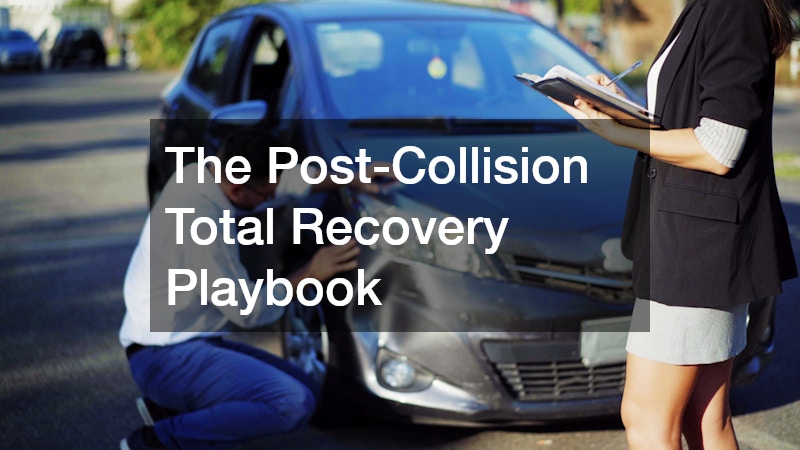
The sound of crunching metal and the sudden jolt of an impact are experiences no driver ever wants to have. In the seconds following a car accident, the world often feels like it is moving in slow motion. Adrenaline surges, and the primary focus is usually on safety and checking for injuries. However, once the initial shock wears off and the dust settles, a different kind of challenge begins. This is the process of putting the pieces back together, both literally and figuratively. It is a journey that involves logistics, legalities, and mechanical restoration. Navigating this path requires a clear plan, often referred to as a recovery playbook, to ensure that a vehicle and its owner are returned to their pre-accident state.
The first major hurdle after a collision is getting the vehicle off the roadway. If a car is not drivable, it becomes a hazard to other motorists and a logistical nightmare for the owner. Many people find themselves standing on the shoulder of a highway, wondering who to call and where their car will end up. It is at this moment that reliable towing services become the most important resource available. Professional transport is about more than just moving a hunk of metal; it is about ensuring the vehicle is handled with care to avoid further damage. A quality transport team knows how to secure a damaged car and move it to a secure lot or a chosen shop where the assessment process can truly begin.
Legal Support and Protecting Your Rights
Once the car is safely moved, the focus often shifts to the legal ramifications of the event. Even if an accident seems straightforward, the complexities of liability and state laws can quickly become overwhelming. Documentation is key here. Photos of the scene, witness statements, and police reports are the foundation of any future claims. Many drivers realize early on that they might need professional guidance to navigate the aftermath of a serious wreck. Consulting with a qualified accident attorney can provide a layer of protection that a standard driver simply does not have. This legal professional helps in interpreting the nuances of the law and ensures that all communication with other parties is handled properly, preventing the driver from making statements that could inadvertently hurt their case.
Having an advocate in the legal field allows the driver to focus on their personal recovery and the restoration of their vehicle. It is about balancing the scales of justice, especially when dealing with complex multi-vehicle incidents or disputes over who was truly at fault. Legal experts can also help in identifying hidden costs that might not be immediately apparent, such as future medical bills or the loss of wages due to the inability to commute. By taking these steps early, a driver sets the stage for a much smoother recovery process, knowing that their rights are being actively defended while they deal with the more practical aspects of car restoration.
Navigating the World of Coverage

As the legal wheels begin to turn, the financial reality of the situation comes into sharp focus. This is where the concept of risk management becomes very real. Most people pay their monthly premiums without thinking much about the fine print until they are forced to use it. Understanding the scope of your insurance policy is a vital step in the recovery playbook. It is not just about having a card in the glovebox; it is about knowing exactly what is covered and what the deductibles will be. This broad financial safety net is designed to catch you when things go wrong, but it requires the policyholder to be proactive in reporting the incident and following the required protocols to keep the claim active.
Filing a claim is often a test of patience. It involves phone calls, digital uploads of photos, and potentially multiple interviews with adjusters. The goal of the provider is to assess the damage and determine the payout based on the policy terms. This is a time when clear communication is your best tool. Keeping a log of every conversation, including the name of the person you spoke with and the date, can prevent many headaches down the road. It is important to remember that the broad financial coverage you carry is meant to facilitate your return to normalcy, but it only works effectively if you stay on top of the administrative requirements.
Managing Your Specific Vehicle Policy
While general coverage is important, the specific details of your auto insurance plan will dictate the quality and speed of your repairs. Some policies allow for original equipment manufacturer parts, while others might push for used or aftermarket components to save on costs. Knowing these details ahead of time allows a driver to advocate for the best possible care for their vehicle. It is also the time to discuss things like rental car reimbursement, which can be a lifesaver if the repairs are expected to take several weeks. Without a dedicated vehicle policy that covers these extras, the daily life of the driver can be severely disrupted.
The relationship between the policyholder and the provider is at its most critical point during the estimation phase. An adjuster will look at the car and provide an initial figure for the repairs. However, this is often just a starting point. Once a mechanic gets under the hood, they might find hidden structural issues that the adjuster missed. This is why having a robust policy is so significant; it provides the framework for these supplemental claims to be handled. Staying engaged with the process ensures that the vehicle does not just look good on the outside but is truly safe to drive again.
The Mechanical Restoration Process
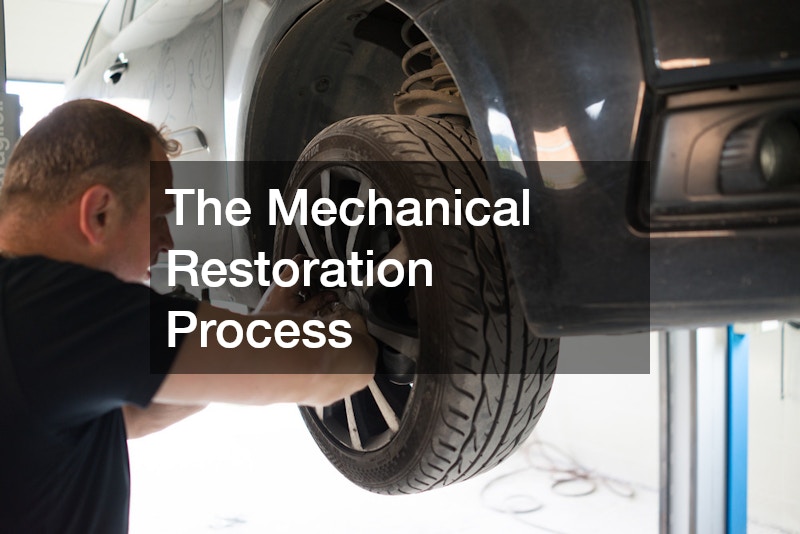
Once the paperwork is in order and the funds are allocated, the heavy lifting begins at the workshop. This stage is where the physical transformation happens. High-quality auto repair involves more than just pulling out dents or replacing a bumper. It is a technical process that ensures the frame is straight and the structural integrity of the vehicle is intact. Modern cars are built with crumple zones and sensitive sensors that must be perfectly aligned to function in a future emergency. Choosing a shop that uses advanced diagnostic tools and follows manufacturer-specific repair procedures is essential for the long-term health of the car.
During this phase, the vehicle might look worse before it looks better. Parts are stripped away, and the skeletal structure of the car is revealed. Technicians work to weld, bolt, and bond components back together with precision. It is a labor-intensive period where the skill of the mechanic is the most important factor. For the owner, this is often the longest part of the wait. Regular updates from the shop can help ease the anxiety of being without a vehicle. A good shop will be transparent about timelines and any delays in parts shipping, keeping the owner informed every step of the way.
Ensuring Safety with Critical Systems
As the major structural work nears completion, the focus shifts to the systems that keep the car under control. One of the most vital aspects of post-collision recovery is the auto brake service performed on the vehicle. Even if the brakes were not directly hit, the force of an impact or a sudden emergency stop can cause issues with rotors, pads, or the hydraulic lines. A thorough inspection of the braking system ensures that the car can stop as effectively as it did the day it left the factory. Safety is not an area where anyone should look to cut corners, and a full system check is a non-negotiable part of a total recovery plan.
The technicians will look for leaks in the brake lines, uneven wear on the pads, and any signs of warping in the rotors. They will also bleed the system to ensure no air bubbles are trapped, which could lead to a soft or unresponsive pedal. In modern vehicles, this also involves checking the anti-lock braking system sensors, which are often located near the wheels and can be easily damaged in a crash. Once the brakes are certified as safe, the driver can have much more confidence when they finally get back behind the wheel, knowing that their primary safety system is in top condition.
Restoring Comfort and Climate Control

With the car now structurally sound and safe to stop, the attention often turns to the interior environment. It is common for the cooling and heating systems to take a hit in a front-end collision, as the radiator and condenser are located right behind the grille. Getting a professional auto AC repair is about more than just staying cool in the summer; it is about the overall functionality of the engine’s cooling loop. A leak in the air conditioning system can sometimes be a sign of deeper issues with the car’s thermal management. Ensuring that the refrigerant is at the right level and the compressor is humming along correctly is a key part of the “total” in total recovery.
A malfunctioning climate control system can make a newly repaired car feel like it is still “broken.” There is a psychological component to getting back into a car after an accident; you want it to feel exactly like it did before the incident. If the air is warm or there is a strange noise when the fans turn on, the recovery feels incomplete. By addressing these comfort-focused repairs, the shop ensures that the driving experience is restored to its original standard. This attention to detail is what separates a basic patch job from a professional restoration that values the owner’s experience.
The Finishing Touches of Cleanliness
After weeks of being in a dusty shop surrounded by metal shavings and paint fumes, a car is usually in desperate need of a deep cleaning. The repair process is messy, and even the best shops can leave behind a bit of grit. This is why the services of a professional car detailer are so important at the end of the journey. They go through the interior and exterior with a fine-tooth comb, removing the remnants of the repair process. This includes vacuuming out crevices, cleaning the windows until they are invisible, and treating the upholstery to remove any lingering “shop smells.”
The exterior also gets a thorough washing and polishing to ensure that the new paint blends perfectly with the old panels. A professional eye can spot small imperfections that a regular car wash would miss. By the time the detailing is finished, the car should look as though the accident never happened. For many owners, this is the moment when the stress of the collision finally begins to lift. Seeing the car shining in the sun, free of dirt and damage, provides a sense of closure to a very difficult chapter. It is the final polish on a long and winding road of restoration.
Long Term Protection for the Exterior
While a good cleaning makes the car look great today, many owners want to ensure that the newly repaired paint stays that way for years to come. Applying a ceramic coating service is an excellent way to add a layer of hard, glass-like protection over the clear coat. This technology helps to repel water, dirt, and road salt, which is especially important for panels that have recently been repainted. New paint can sometimes be more sensitive to the elements than factory paint, and a ceramic layer acts as a sacrificial barrier. It also enhances the depth and gloss of the color, making the vehicle stand out even more.
This protective layer is a smart investment for anyone looking to preserve the work that was just done. It makes future maintenance much easier, as dirt has a harder time sticking to the slick surface. Instead of spending hours scrubbing the car, a simple rinse often does the trick. It is the ultimate way to cap off the aesthetic portion of the recovery playbook. By thinking ahead and protecting the exterior now, the owner is essentially extending the life of the repairs and ensuring that the vehicle remains a source of pride rather than a reminder of a bad day on the road.
Evaluating the Final Value of the Asset
The final step in the playbook is often overlooked, but it is perhaps the most important for the owner’s financial future. Even after a perfect repair, a car that has been in a significant accident often carries a “diminished value.” This means that if you were to sell it tomorrow, it would likely fetch less than a similar car with a clean history. Obtaining a professional car appraisal after all the work is finished provides a clear picture of what the vehicle is currently worth. This document is essential if the owner plans to file a diminished value claim with the insurance company to recoup the lost equity in their asset.
An appraiser will look at the quality of the repairs, the parts used, and the current market trends to provide an accurate valuation. Having this number in hand gives the owner leverage and clarity. It closes the loop on the entire process, moving from the physical reality of the crash to the financial reality of the vehicle’s worth. With this information, the recovery is truly complete. The driver has moved from the side of the road with a broken car to sitting in a fully restored, protected, and appraised vehicle. It is a long journey, but with the right steps and the right professionals, a total recovery is not just possible; it is guaranteed.