
Every homeowner who also owns a vehicle knows that small maintenance bills feel like an annoyance, but skipping them almost always leads to a much bigger repair invoice down the road. Seasonal changes in temperature, road conditions, and driving habits put unique stress on different parts of your car, truck, or SUV throughout the year. Understanding what to check and when can help you catch small issues before they turn into costly breakdowns. This guide walks through what to budget for each season so you can protect both your vehicle and your wallet.
Getting Your Vehicle Ready for Spring
After a long winter of salted roads, freezing temperatures, and potholes, spring is the time to assess the damage and reset your vehicle for the months ahead. This is when many drivers schedule a full inspection with trusted auto mechanics to check suspension components, brakes, and alignment that may have taken a beating over the cold season. A thorough spring checkup catches minor wear before it becomes a safety issue or an expensive repair later in the year.
Beyond the mechanical side, spring is also a good time to schedule a general automotive service appointment that includes fluid changes, filter replacements, and a tire rotation. Many shops offer seasonal packages that bundle these tasks together at a lower cost than paying for each service separately.
- Inspect tires for winter damage, including sidewall cracks and uneven wear
- Check brake pads and rotors for salt corrosion
- Replace wiper blades worn down by ice and snow
- Flush winter road salt from the undercarriage
- Test the battery, since cold weather often weakens it
Keeping Your Engine Cool Through Summer
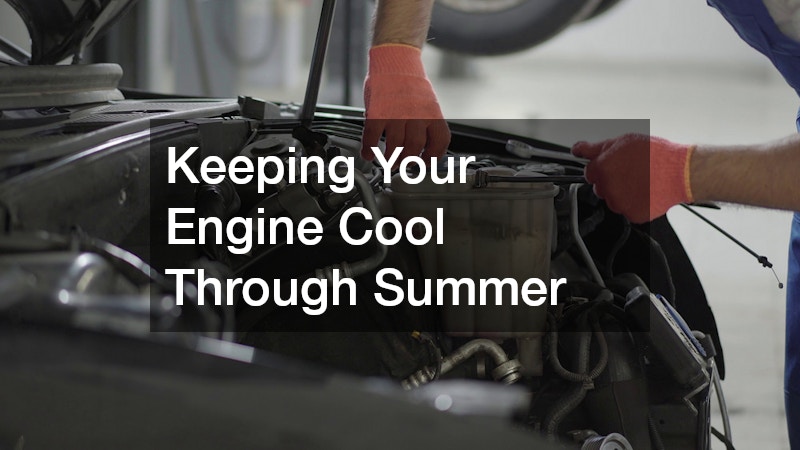
Rising temperatures put extra strain on your cooling system, and a neglected radiator or worn hose can lead to overheating that damages the engine block. Before the peak heat hits, it is worth having your coolant levels, hoses, and thermostat checked so you are not stranded on a hot highway. This small investment in prevention is far cheaper than a full engine repair caused by overheating.
Summer is also a popular season for drivers who want to fine-tune performance before road trips or long commutes, and many turn to auto tuning services to optimize fuel efficiency and horsepower for warm-weather driving. A proper tune-up in summer can also improve air conditioning performance, which matters when temperatures climb into the nineties.
- Check coolant levels and look for leaks under the vehicle
- Inspect belts and hoses for cracking from heat exposure
- Test air conditioning performance before peak summer months
- Monitor tire pressure, since heat causes air to expand
Preparing Brakes and Tires for Fall Driving
Fall brings wet leaves, morning frost, and shorter daylight hours, all of which affect traction and visibility. This is the season to double-check that your tires have enough tread and that your brakes respond quickly, since wet roads dramatically increase stopping distances. Scheduling routine auto repair services in early fall gives you time to address any issues before winter weather arrives.
Fall is also a smart time to check your vehicle’s lighting system, since shorter days mean more nighttime driving. Headlights, taillights, and turn signals should all be tested, and any dim or flickering bulbs replaced promptly.
- Measure tire tread depth and replace tires below the safe threshold
- Test brake responsiveness on wet pavement
- Check headlights, taillights, and fog lights
- Inspect windshield wipers and replace if streaking occurs
Winter Weather and Heavy-Duty Vehicles
Cold weather is especially hard on larger vehicles, and owners of diesel-powered trucks often face unique challenges when temperatures drop below freezing. Diesel fuel can gel in extreme cold, and glow plugs, batteries, and fuel filters need to be in top condition to avoid a no-start situation. Many diesel shops offer winterization packages that include fuel additives and battery testing specifically designed for cold-weather reliability.
If you rely on a truck for work or towing, proactive diesel truck repair before winter can prevent a breakdown that costs you both time and money. Waiting until a part fails in freezing conditions almost always means a more expensive repair, plus the inconvenience of being without your vehicle when you need it most.
- Test batteries, since cold weather reduces starting power
- Check for fuel gelling issues in diesel engines
- Inspect glow plugs and fuel filters before temperatures drop
- Verify four-wheel drive or towing systems are functioning properly
Protecting Your Vehicle’s Exterior Year-Round
Weather extremes, road salt, and UV exposure all take a toll on your vehicle’s paint and body panels over time. Small chips or scratches that go untreated can develop into rust spots, which are far more expensive to fix than a simple touch-up. Scheduling auto body repair for minor dents or paint damage early in the season helps preserve your vehicle’s resale value and prevents corrosion from spreading.
Waxing your vehicle seasonally also adds a protective layer against sun damage in summer and road salt in winter. This simple step takes less than an hour but can extend the life of your paint job by years.
- Wash off road salt regularly during winter months
- Wax the exterior at least twice a year
- Address small dents and chips before they rust
- Park in shaded or covered areas when possible to limit UV damage

Planning for the Unexpected on the Road
No matter how well you maintain your vehicle, accidents and severe weather events can still happen, which is why understanding your coverage matters. Reviewing your automotive insurance policy each year ensures you know what is covered in the event of a collision, hail damage, or a tree branch falling on your car during a storm.
Pay close attention to your deductibles for comprehensive and collision coverage, which typically range from $250 to $1,000. A lower deductible means smaller out-of-pocket costs after an incident, but it usually comes with a higher monthly premium, so it’s worth running the numbers each renewal period.
It’s also worth checking whether your policy includes roadside assistance and rental car reimbursement, since a dead battery or flat tire can leave you stranded just as easily as a major collision. Many policies have specific requirements for choosing a repair shop, and some insurers only guarantee their workmanship warranty if you use a shop within their network.
Finally, ask your insurer whether repairs will use OEM (original equipment manufacturer) parts or aftermarket alternatives, since this can affect both repair quality and resale value. Knowing your options before you need them can save significant time, stress, and money when the unexpected actually happens.
When an accident does occur, prompt collision repairs prevent minor frame or panel damage from worsening over time. Even a small dent or bent bracket can throw off your vehicle’s structural alignment, and driving on a misaligned frame accelerates tire wear and strains suspension components.
Delaying these repairs can also let moisture seep into gaps where paint or sealant has been compromised. Water intrusion often leads to rust bubbling up weeks or months later, sometimes requiring panel replacement instead of a simple patch or touch-up.
A repair that might cost a few hundred dollars if handled within days of the accident can balloon into a $1,500-plus job once corrosion sets in or alignment problems damage other parts. Getting a body shop estimate quickly, even for cosmetic-looking damage, helps you avoid these compounding costs down the road.
- Review your policy annually for coverage limits and deductibles, especially after adding a new driver or vehicle
- Compare a higher deductible’s premium savings against your emergency fund’s ability to cover it
- Know whether your insurer requires specific repair shops or allows you to choose your own mechanic
- Ask if your policy covers OEM parts or only aftermarket equivalents after a collision
- Document any damage with photos immediately after an incident, capturing wide shots and close-ups from multiple angles
- Note the date, weather, and location details, since this information can speed up claims processing
- Schedule repairs quickly to avoid secondary damage, such as rust spreading from an unrepaired dent
- Keep all repair receipts and estimates in case you need to dispute a claim later
Specialty Care for European and Luxury Vehicles
Luxury and European vehicles often have more sensitive electronics and specialized parts that require technicians with specific training. Owners of higher-end models frequently seek out a dedicated Mercedes mechanic rather than a general shop, since these vehicles use proprietary diagnostic systems and parts that differ from mainstream brands. Using a specialist can actually save money over time, since misdiagnosed issues on complex vehicles often lead to repeated repair visits.
Seasonal maintenance schedules for luxury vehicles may also differ slightly from standard cars, particularly around air suspension systems, advanced climate control, and sensor calibration. Sticking to the manufacturer’s recommended service intervals helps avoid warranty issues and keeps these systems functioning properly through temperature swings.
- Confirm technician experience with your specific make and model
- Follow manufacturer-recommended service intervals closely
- Ask about software updates for onboard vehicle systems
- Budget for slightly higher parts costs on luxury models
Building a Seasonal Maintenance Budget
One of the biggest reasons people skip preventive maintenance is the perception that it is too expensive, but spreading costs across the year is usually far cheaper than one large repair bill. Setting aside a small monthly amount specifically for vehicle upkeep can make seasonal checkups feel manageable rather than like a financial burden. Most routine seasonal services cost a fraction of what a major repair like a transmission replacement or engine rebuild would run.
Keeping a simple maintenance log or app reminder also helps you track when services are due, so you are not caught off guard by a sudden expense. Many shops will provide a written estimate before starting work, which makes it easier to plan ahead financially.
- Set aside a fixed monthly amount for vehicle upkeep
- Track maintenance history with an app or logbook
- Ask for written estimates before authorizing repairs
- Compare seasonal package pricing between shops
Deciding Between DIY Checks and Professional Help
Some seasonal tasks, like checking tire pressure, topping off washer fluid, or replacing wiper blades, are simple enough for most drivers to handle at home with basic tools and a few minutes in the driveway. A tire pressure gauge costs less than $10, and most owner’s manuals list the correct PSI for each season right on the driver’s door jamb. Checking your oil level, inspecting tire tread with a penny, and swapping out cabin air filters also fall into this DIY-friendly category.
Others, such as brake inspections, alignment checks, or diagnostic scans, require specialized tools, lifts, and training that only a professional shop can provide. Modern vehicles run dozens of interconnected computer systems, and a scan tool that costs a shop several thousand dollars is simply impractical for a home garage. Attempting a DIY brake job without the right torque specs or bleeding procedure can turn a $150 repair into a $600 one if something goes wrong.
A useful rule of thumb: if a task only requires a wrench, a fluid, or a visual check, it’s likely safe to try yourself. If it involves the vehicle’s electrical systems, hydraulic brake lines, or anything requiring the car to be lifted off the ground, that’s a signal to call a professional.
Knowing where your skills end and professional expertise begins helps you avoid costly mistakes that come from attempting repairs beyond your comfort level. It also protects your warranty in some cases, since certain manufacturers require documented professional service for major seasonal maintenance items.
Building a relationship with a shop you trust also pays off over time, since technicians who know your vehicle’s history can spot subtle changes more quickly. A mechanic who serviced your brakes last fall, for example, can compare current pad wear against those records and catch a problem before it becomes a costly rotor replacement. This familiarity often leads to faster diagnoses and more accurate repair recommendations each season.
Many independent shops also keep digital service histories, so returning customers skip repeat diagnostic fees and get quicker turnaround times. Some even offer seasonal inspection packages or loyalty discounts for regulars, which can offset the cost of professional checks compared to a one-off visit elsewhere.
- Handle simple tasks like fluid top-offs, tire pressure checks, and visual inspections at home—these take 10-15 minutes and cost nothing but a few minutes of your time
- Leave brake, suspension, and electrical work to trained technicians, since diagnostic tools and lift access make DIY guesses risky and potentially unsafe
- Watch for warning signs—grinding noises, dashboard lights, or fluid leaks—that mean it’s time to stop troubleshooting and book a professional appointment
- Build a long-term relationship with one trusted shop when possible, so they track your vehicle’s history and catch patterns you might miss
- Ask questions during appointments to better understand your vehicle’s needs, including what’s normal wear versus what warrants closer monitoring next visit
Staying ahead of seasonal wear and tear is one of the smartest financial decisions any vehicle owner can make, since small preventive costs almost always beat the price of major repairs later. Start by mapping out a simple maintenance calendar tied to the seasons in your area, and treat these checkups as a routine part of vehicle ownership rather than an optional expense. Taking this proactive approach will keep your car, truck, or SUV safer, more reliable, and more valuable for years to come.