
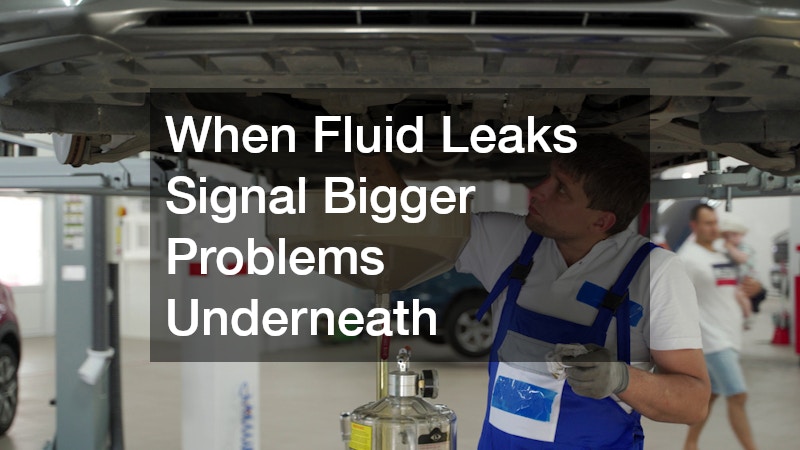
A small puddle under your car or a damp patch in the garage might seem like a minor inconvenience, but fluid leaks are often the first visible warning sign of a much larger mechanical problem. Ignoring them can turn a simple fix into a costly repair, or worse, leave you stranded on the side of the road. Understanding what each type of leak means, and when to act on it, can save you time, money, and unnecessary stress. This guide breaks down the most common leaks, what they signal, and how to respond before small issues become expensive emergencies.
Identifying the Color and Location of a Fluid Leak
Not all leaks are created equal, and the color, consistency, and location of the fluid puddle can tell you a lot about the source of the problem. Bright green or orange fluid often points to coolant, while a reddish oily puddle usually means transmission fluid. Dark brown or black fluid near the front of the vehicle is frequently engine oil, while a clear or slightly yellow fluid near a wheel could indicate a brake fluid issue.
Taking a photo of the leak and noting where it appears under the car can help a mechanic diagnose the problem faster. It also gives you a baseline to compare against if the leak changes in size, color, or frequency over time.
- Place a clean sheet of cardboard under the car overnight to catch drips
- Note the exact location: front, middle, rear, or under a specific wheel
- Smell the fluid, as sweet odors often indicate coolant while burnt smells suggest oil
- Check the consistency, since thin fluids leak differently than thick, sludgy ones
Recognizing When Brake Fluid Loss Becomes a Safety Emergency

Brake fluid leaks are among the most dangerous because they directly affect your ability to stop safely. If you notice a soft or spongy brake pedal, or if the brake warning light illuminates on your dashboard, this could mean fluid is escaping from the lines, calipers, or master cylinder. Continuing to drive with compromised brakes puts you and everyone around you at serious risk.
A thorough inspection of the brake system should be done immediately if fluid loss is suspected, since even a small drop in fluid volume can significantly reduce stopping power. Mechanics typically check the entire hydraulic system, including hoses, seals, and connections, to find the source before topping off the fluid.
- Spongy or sinking brake pedal feel
- Dashboard warning light for the brake system
- Visible fluid pooling near any wheel
- Longer stopping distances than usual
Spotting Coolant Leaks Before They Cause Engine Damage
Coolant leaks are sneaky because they often start small, appearing as a faint sweet smell or a light green stain under the front of the car. Left unaddressed, a coolant leak can lead to engine overheating, which may cause warped cylinder heads or a blown gasket. These repairs are significantly more expensive than fixing the original leak, making early detection critical.
Common sources include a cracked radiator, a failing water pump, or deteriorated hoses that have become brittle with age. Regularly checking coolant levels and glancing under the hood for white, crusty residue around hose connections can catch a leak before it becomes a full-blown breakdown.
Understanding Diesel Engine Fluid Issues and Repair Needs
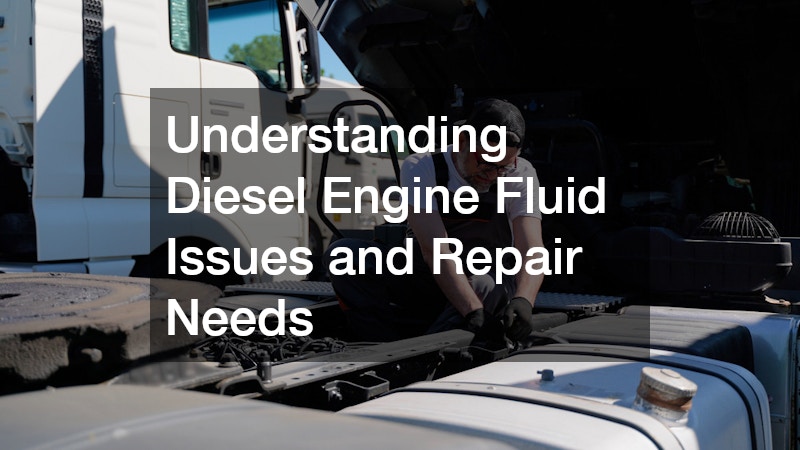
Diesel engines run at higher pressures and temperatures than gasoline engines, which means fluid leaks in these systems can be more severe and harder to diagnose without specialized knowledge. Fuel leaks, oil leaks, and even leaks from the diesel exhaust fluid system are all possibilities, each with different implications for engine performance and emissions compliance. A shop experienced in diesel repair will know how to trace leaks through the complex network of lines and injectors unique to these engines.
Because diesel fuel is less volatile than gasoline, leaks are sometimes mistaken for oil due to their similar appearance and smell. Getting a professional opinion is especially important here, since diesel systems often require specialized tools and parts that a general repair shop may not stock.
- Fuel smell inside or around the cabin
- Reduced fuel efficiency or rough idling
- Visible fluid near the injector pump or fuel lines
- Soot buildup combined with wet residue under the engine
Distinguishing Transmission Fluid Problems From Other Leaks
Transmission fluid leaks are often reddish in color and have a distinct, slightly sweet smell that sets them apart from motor oil. A leak here can cause shifting delays, slipping gears, or a burning smell while driving, all of which point to declining fluid levels affecting lubrication and cooling inside the transmission. Because transmission repairs are among the most expensive automotive fixes, catching a leak early is one of the best ways to avoid a full rebuild or replacement.
Leaks commonly originate from a damaged pan gasket, a worn seal, or a cracked cooling line. Regularly checking fluid levels with the engine warm and on level ground gives an accurate read on whether a slow leak is developing.
Connecting Windshield Damage to Hidden Fluid Leaks
It might seem unrelated, but a cracked or improperly sealed windshield can sometimes contribute to water leaks that mix with road grime and drip down near the dashboard, mimicking a fluid leak from the engine bay. If you notice water pooling inside the cabin or fogging that won’t clear, the seal around the glass may be compromised. In these cases, auto glass replacement is often the right solution rather than chasing a mechanical leak that doesn’t actually exist.
A poorly sealed windshield can also let moisture seep into electrical components near the dashboard, leading to corrosion or malfunctioning sensors over time. Addressing glass damage promptly protects both the structural integrity of the vehicle and the electronics tucked behind the dash.
Knowing When a Leak Means You Need Roadside Assistance

Sometimes a fluid leak escalates quickly, especially if it involves a critical system like the transmission, steering, or coolant, leaving a driver stranded far from home. A few warning signs make the decision easy: a temperature gauge climbing into the red, a burning smell, grinding noises from the steering, or a puddle that’s growing by the minute instead of just a slow drip. In these situations, calling a tow truck service is often safer and more practical than attempting to drive the vehicle to a shop. Low transmission fluid can cause gears to slip or overheat within a mile or two, while a coolant leak can send engine temperatures soaring high enough to warp a head gasket or crack a block. Power steering fluid loss can make the wheel suddenly stiff and hard to control, which is especially dangerous in traffic or on the highway. Continuing to drive on a leaking system can cause a minor issue to become catastrophic engine or steering failure within just a few miles. What might have been a simple $150 hose repair can turn into a multi-thousand-dollar engine or transmission replacement if the vehicle is pushed too far. A short wait for a tow truck is a small inconvenience compared to being stuck on the shoulder with a car that no longer runs at all.
Not every fluid leak requires roadside intervention, but certain warning signs mean you shouldn’t attempt to drive any further. A puddle of bright green, orange, or pink fluid usually points to a coolant leak, and continuing to drive risks overheating your engine within minutes. Dark red or brown fluid pooling near the front of the vehicle often signals a transmission or brake fluid leak, both of which can compromise your ability to safely control the car. If you notice a burning smell, smoke from under the hood, or a rapidly dropping temperature gauge, pull over immediately and call a tow truck rather than risking a breakdown in traffic. Similarly, a soft or sinking brake pedal paired with visible fluid under the car is a clear signal that driving even a short distance could be dangerous. Knowing these signs that warrant an immediate call for a tow truck can prevent further damage and keep you safe on the roadside. When you do need to call for help, choose a reputable tow truck service that offers 24/7 availability and clear pricing upfront. A good provider will also help transport the vehicle to a trusted repair shop, saving you the hassle of coordinating a separate ride. Many services can even give you an estimated arrival time and updates via text, so you’re not left waiting on the shoulder without information.
- Engine temperature gauge climbing rapidly into the red, or a dashboard warning light paired with steam from under the hood
- Steering wheel becoming stiff or unresponsive, making it hard to turn even at low speeds
- Brake pedal feeling soft, sinking to the floor, or requiring extra pressure to stop
- Loud grinding, clunking, or squealing noises accompanying the leak, especially near the wheels or engine bay
- Fluid actively pouring rather than slowly dripping, leaving a fast-growing puddle within minutes
- Burning smell or smoke coming from the engine or wheels, signaling fluid contacting hot components
- Transmission slipping, hesitating, or refusing to shift while a reddish fluid pools underneath
- Dashboard warning lights (oil pressure, temperature, or brake system) illuminating alongside the visible leak
Choosing Reliable Emergency Transport When Leaks Strand You
When a fluid leak leaves you stuck on the highway or in an unfamiliar area, having a plan for emergency transport matters just as much as fixing the leak itself. A dependable towing service can arrive within a reasonable window and safely move your vehicle without causing additional damage during loading or transport. Many companies offering towing also provide flatbed options, which are gentler on vehicles with drivetrain or brake issues than traditional hook-and-chain methods.
It helps to research and save contact information for a trustworthy provider before you actually need one, rather than searching in a panic on the side of the road. Comparing local towing services ahead of time, reading reviews, and confirming response times in your area can make a stressful situation far more manageable.
- Confirm whether flatbed towing is available for sensitive repairs
- Ask about estimated arrival times during peak hours
- Verify insurance and licensing before agreeing to service
- Keep a saved contact for after-hours emergencies
Applying Fluid Leak Lessons to Non-Automotive Maintenance
The same principle behind chasing down automotive leaks, catching small problems before they escalate, applies to other areas of home and property maintenance as well. A slow drip under a car and a soft, discolored plank on a dock share the same underlying story: small signs of moisture intrusion that seem minor at first but point to deeper structural decay if ignored. Marine lumber used in docks and boat structures can develop rot or water damage that mimics the slow, hidden progression of a fluid leak. Wood that’s constantly exposed to water, humidity, and temperature swings can look sound on the surface while quietly weakening underneath, much like a transmission seal that seeps just enough fluid to avoid immediate notice. Regular inspection — checking for soft spots, discoloration, or fastener corrosion at least once or twice a year — can catch these issues early and avoid a costly full replacement of pilings or decking. Similarly, residential window tinting can help reduce heat damage and UV exposure that slowly degrades interior materials in a home or vehicle. Over months and years, unfiltered sunlight can fade upholstery, crack dashboards, and warp wood flooring in ways that aren’t obvious day to day but add up significantly. Installing quality tint or UV-blocking film is a relatively small upfront investment, yet it functions much like catching a fluid leak early: a modest, proactive step that prevents a much larger repair or replacement bill down the road.
The same diagnostic logic that applies to a transmission fluid leak works just as well on a leaky roof, a dripping water heater, or corroding dock pilings. A small stain on the garage floor or a faint puddle near an appliance is rarely the whole story; it’s usually a symptom of a seal, gasket, or structural component wearing out somewhere upstream. Thinking holistically about maintenance, whether it is your car, your boat dock, or your windows, encourages a proactive mindset rather than a reactive one. Consider a window that fogs between panes or lets in a draft. That’s often a sign the seal has failed, which can lead to water intrusion, wood rot, and mold if ignored for a season or two. A $200 reseal today is a lot cheaper than replacing a rotted window frame two years from now. Boat docks offer a similar lesson: a wobbly piling or a rust streak on a bracket is the dock’s version of a fluid stain under your car. Catching that corrosion early might mean a $50 hardware swap instead of a $5,000 structural repair after a storm. Catching issues early almost always costs less than waiting until a system fails completely. Whether you’re checking oil spots in the driveway, water stains on a ceiling, or hairline cracks in a foundation, the same three questions apply: where is it coming from, how long has it been happening, and what does it connect to. Building that inspection habit across every system you own, not just your vehicle, is what actually saves money over time.
Planning Ahead for Travel When Vehicle Trouble Strikes

If a fluid leak sidelines your vehicle right before an important trip, having a backup transportation plan can prevent missed flights or appointments. Booking an airport car service in advance is a smart way to ensure you still make it to your destination even if your personal vehicle is in the shop. This is especially useful for early morning flights or late-night arrivals when rideshare availability can be unpredictable.
Keeping a reliable transportation backup in mind, alongside your regular vehicle maintenance routine, adds an extra layer of peace of mind. It transforms a stressful breakdown into a minor scheduling adjustment rather than a full-blown crisis.
Fluid leaks are rarely just a cosmetic nuisance; they are your vehicle’s way of signaling that something underneath needs attention. By learning to identify the type, location, and severity of a leak, you can make informed decisions about whether a quick fix will suffice or a professional inspection is necessary. Acting early not only protects your safety on the road but also protects your wallet from the higher costs of delayed repairs. The next time you spot a mysterious puddle in the driveway, treat it as valuable information rather than an inconvenience to ignore.