
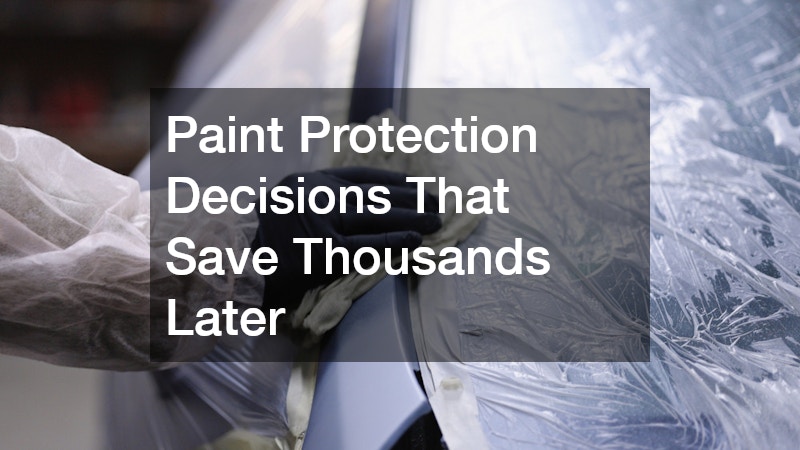
A small scratch or a cracked bumper might not seem like a big deal today, but the choices you make about paint protection now can mean the difference between a quick touch-up and a multi-thousand-dollar repair bill down the road. Many car owners wait until damage happens before thinking about protection, when the smarter move is understanding your options before you ever need them. This guide breaks down the real decisions that affect your wallet, your car’s resale value, and how well it holds up against everyday wear. Whether your vehicle is brand new or a few years old, knowing what protects paint and what doesn’t can save you serious money later.
Understanding What Actually Damages Your Paint Over Time
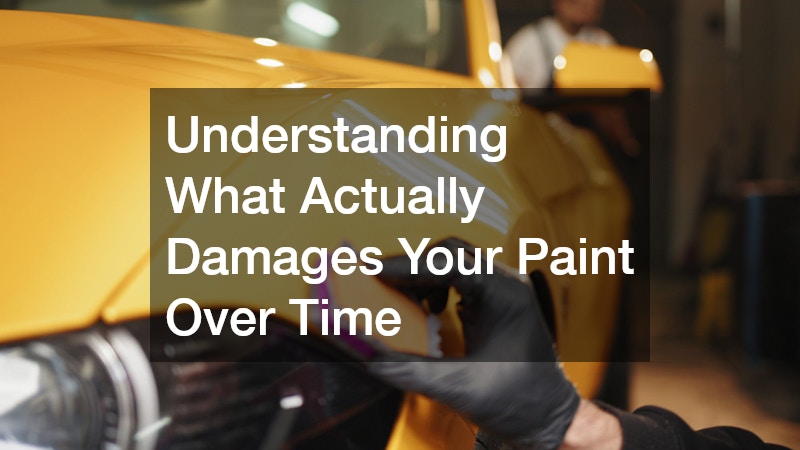
Most people assume paint damage comes from big accidents, but the truth is that daily exposure does far more harm over time. UV rays are one of the biggest culprits: just a few hours of direct sun each day can oxidize clear coat within two to three years, leaving behind a dull, chalky finish that no amount of waxing fully restores. Road salt used in winter climates accelerates corrosion by clinging to the undercarriage and wheel wells, where it stays damp and keeps working long after the roads are clear.
Bird droppings and tree sap are more damaging than most drivers realize because they’re acidic and can eat through clear coat in as little as 24 to 48 hours if left untreated. Small rock chips from highway driving might seem cosmetic, but they expose bare metal instantly, giving rust a direct entry point rather than a slow one. Even seemingly harmless contaminants like pollen, industrial fallout, and hard water spots from sprinklers etch into the surface over weeks of accumulation.
All of these threats slowly break down clear coat and create tiny cracks where moisture and contaminants can settle in. Once that protective layer is compromised, rust and discoloration can follow, turning a cosmetic issue into a structural one that affects resale value and safety alike. A single neglected chip, for example, can spread into a rust bubble the size of a golf ball within a year in humid or coastal climates.
Recognizing these everyday threats, rather than just worrying about collisions, is the first step toward making protection decisions that actually matter. Understanding which risks apply to your specific climate and driving habits helps you prioritize where to invest, whether that’s ceramic coating, paint protection film, or simply more frequent washing.
- UV rays fade and oxidize paint faster than most owners expect, especially on dark colors and horizontal surfaces like hoods and roofs that catch direct sun for hours
- Road salt in winter climates accelerates corrosion on exposed metal, seeping into chips and seams around wheel wells, rocker panels, and the undercarriage
- Bird droppings and tree sap contain acids that etch into clear coat within hours if left uncleaned, especially in hot weather when they bake onto the surface
- Small rock chips from highway driving create entry points for rust, particularly along the front bumper, hood edge, and lower door panels
- Improper washing techniques can introduce fine scratches over time, often from dirty microfiber towels, automatic car washes with brushes, or washing in direct sunlight
- Industrial fallout and airborne pollutants like brake dust, exhaust residue, and factory emissions can bond to paint and create rough, contaminated surfaces
- Extreme temperature swings cause paint and clear coat to expand and contract repeatedly, gradually weakening adhesion and promoting micro-cracking
Choosing Between Ceramic Coating and Traditional Wax
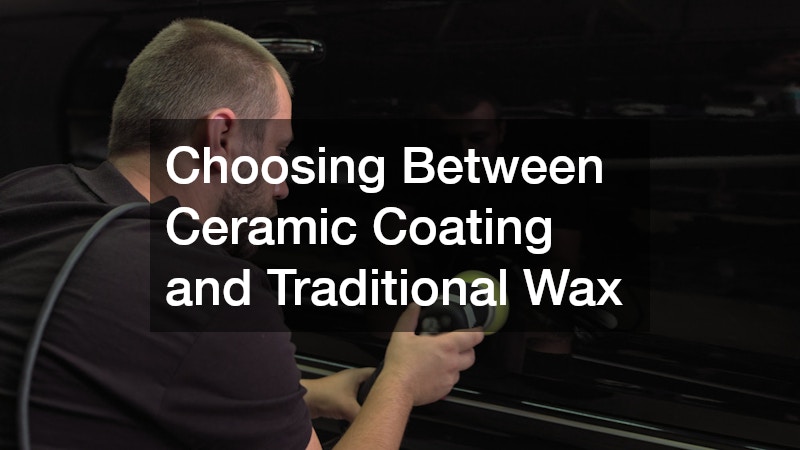
One of the most common decisions car owners face is whether to invest in a ceramic coating or stick with traditional wax. Wax is affordable and easy to apply, but it typically only lasts a few months and offers minimal protection against scratches or chemical stains. A ceramic coating, on the other hand, bonds directly to the paint surface and can last several years, offering much stronger resistance to UV damage, water spots, and light abrasions. While the upfront cost is higher, many owners find that the reduced need for frequent detailing and touch-ups makes it a smarter long-term investment.
It’s also worth considering how each option affects resale value. A vehicle with a well-maintained ceramic coating often looks newer and shows fewer signs of wear when it comes time to sell or trade in. Buyers notice glossy, scratch-resistant paint, and that impression can translate into a better offer. For anyone planning to keep their car for several years, this is one of those decisions that pays for itself.
Weighing the Value of Paint Protection Film for High Impact Areas
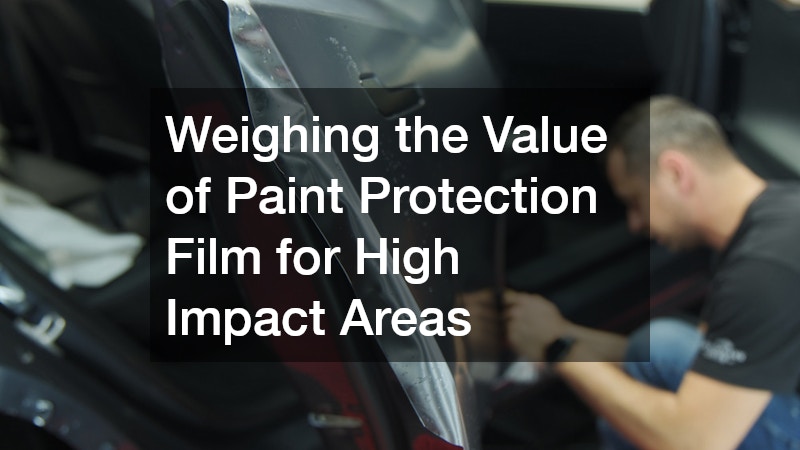
Certain parts of a vehicle take more abuse than others, particularly the front bumper, hood, side mirrors, and rocker panels. This is where ppf film comes into play, acting as a thick, transparent barrier that absorbs impact from gravel, debris, and minor scrapes before it ever reaches the paint. Most quality film runs between 6 and 8 mils thick, and modern versions include self-healing top coats that smooth out light scratches when exposed to heat from sunlight or warm water.
Unlike wax or coatings that sit on top of the surface, this film is applied directly and can be removed or replaced without damaging the paint underneath. Installation typically costs between $500 for a partial front-end kit and $2,500 to $6,000 for full-vehicle coverage, depending on the car’s size and the shop’s labor rates. Film also carries a manufacturer warranty in many cases, often five to ten years against yellowing, cracking, or peeling.
For drivers who frequently travel highways or gravel roads, this added layer can prevent the kind of chip damage that eventually requires repainting a panel, a job that can easily run $500 to $1,000 per section at a body shop. Even partial coverage on the highest-risk areas — the front bumper, hood edges, and mirror caps — captures the majority of impact damage at a fraction of the cost of wrapping the entire vehicle. For anyone weighing the expense, it helps to think of it less as cosmetic upgrade and more as an insurance policy against the wear that daily driving guarantees.
The decision to invest in film often comes down to how and where you drive. Someone who commutes primarily on smooth city streets may not see the same benefit as someone who regularly drives rural roads, gravel driveways, or highways with heavy truck traffic. Frequent highway drivers face constant exposure to kicked-up gravel and road debris traveling at speeds that can chip paint on contact, while trailer haulers deal with additional wear from towing equipment and dust.
Coverage packages typically break down into a few tiers worth understanding before you buy. A partial front-end kit usually covers the hood edge, mirror caps, and lower bumper, running a few hundred dollars less than full coverage. Full hood and fender packages extend protection higher up the body, and full-vehicle wraps cover nearly every painted surface for maximum protection at a proportionally higher cost.
Either way, understanding the coverage options available helps you target protection where it matters most instead of paying for blanket coverage you don’t need. Matching the package to your actual driving habits — rather than defaulting to the most expensive option — is usually the smarter financial move.
- Front bumper and hood absorb the most road debris, taking the brunt of highway rock chips and gravel impacts
- Side mirrors and door edges are prone to chips from nearby vehicles, especially in tight parking lots and garages
- A/B pillars and rocker panels also see frequent damage from tire spray and curb scrapes
- Film can be applied in sections rather than the entire vehicle, letting owners target high-risk zones for a fraction of full-body cost
- Partial kits typically cover bumper, hood edge, mirrors, and door edges, running far less than a full front-end or full-vehicle wrap
- Quality film is designed to self-heal minor surface scratches, usually with light heat exposure from sunlight or warm water
- Removal does not damage the original paint layer underneath, provided the film is professionally installed and removed within its rated lifespan (typically 5-10 years)
Knowing When Minor Damage Requires Professional Attention
Not every scratch or dent needs a shop visit, but knowing where to draw the line can save you from bigger problems later. Surface-level scuffs that haven’t broken through the clear coat can often be handled with polish or a touch-up pen. However, once damage reaches the base coat or metal, moisture can get underneath and start corrosion that spreads far beyond the original mark. Waiting too long on what seems like a small issue is one of the most common reasons minor damage turns into an expensive fix.
A good rule of thumb is to inspect any damage closely and run your fingernail over it. If you can catch your nail on a raised or rough edge, the damage has likely gone deeper than the surface and needs proper attention. Left untreated, these areas often expand in size and severity, especially in wet or humid climates.
Deciding How Quickly to Address Bumper Damage
Bumpers are designed to absorb impact, which means they often take the brunt of minor collisions, parking lot bumps, and road debris. Even a small crack in a bumper can worsen over time as it flexes with temperature changes and vibration from driving. Prompt bumper repair not only restores appearance but also prevents moisture infiltration that can damage sensors and wiring often housed behind modern bumpers. Many newer vehicles have parking sensors and cameras integrated into the bumper assembly, so ignoring damage there can affect more than just looks.
- Cracks can spread further with temperature fluctuations
- Moisture behind the bumper can damage embedded sensors
- Loose or hanging bumper sections pose safety and legal risks
- Early repair is typically far cheaper than full bumper replacement
- Insurance may cover repair costs depending on the cause of damage
Comparing Repair Options After a Collision
After any kind of accident, even a minor one, choosing the right approach for fixing your vehicle matters more than people realize. Auto body repair can range from simple panel replacement to more involved structural work, depending on the severity of the impact. Getting an accurate assessment early helps you understand whether you’re looking at a straightforward auto body fix or something that involves frame alignment and deeper mechanical checks. Skipping proper evaluation to save money upfront often leads to bigger expenses later if hidden damage goes unnoticed.
It also helps to understand that not all damage is visible from the outside. Internal components, alignment, and even airbags can be affected in ways that aren’t obvious without a proper inspection. Taking the time to get a full evaluation after any collision, no matter how minor it seems, protects both your safety and your investment.
Selecting a Repair Provider You Can Trust
Finding the right collision repair shop can feel overwhelming, especially when you’re already dealing with the stress of vehicle damage. Look for a shop that provides transparent estimates, uses quality parts, and stands behind their work with a written warranty. Reading reviews and asking about certifications can help you avoid shops that cut corners or use aftermarket parts that don’t match factory specifications. A trustworthy shop will also communicate clearly about timelines and any additional issues discovered during the repair process.
- Ask if the shop offers a written warranty on repairs
- Check for manufacturer certifications relevant to your vehicle brand
- Request an itemized estimate before work begins
- Confirm whether they use OEM or aftermarket parts
- Read recent customer reviews for insight into communication and quality
Handling Structural and Frame Damage Correctly
When a collision affects more than the surface, proper auto collision repair becomes essential for both safety and long-term value. Frame damage that isn’t corrected properly can lead to uneven tire wear, poor handling, and compromised crash protection in future accidents. Specialized equipment is required to measure and restore a vehicle’s frame to factory specifications, so this isn’t a job for general handyman fixes. Skipping this step to save time or money can leave a vehicle structurally unsound even if it looks fine on the outside.
It’s also important to ask whether the facility handling your auto body repair has experience specifically with frame and structural work, since not every shop is equipped for it. Some vehicles may need to be sent to a specialized facility even if the initial estimate happens elsewhere. Confirming this upfront avoids delays and ensures the repair meets safety standards before the car returns to the road.
Budgeting for Long Term Vehicle Upkeep
Thinking about paint and body protection as an ongoing budget item, rather than a one-time expense, changes how most people approach vehicle ownership. Setting aside a small amount each year for maintenance, protective treatments, and unexpected auto body repairs can prevent larger financial strain when something unexpected happens. Many owners are surprised to learn that consistent, minor investment in protection often costs far less over five years than reactive repairs after damage has already occurred. Planning ahead also gives you more control over which shop and which materials are used, rather than being rushed into decisions after an accident.
- Set aside an annual maintenance fund for minor repairs and upkeep
- Reapply protective coatings on the manufacturer’s recommended schedule
- Track repair history to spot recurring problem areas
- Compare quotes from multiple providers before committing to major work
- Factor protection costs into your overall vehicle ownership budget
Protecting your vehicle’s paint and body isn’t about spending money for the sake of it, it’s about making informed choices that prevent small problems from becoming expensive ones. From choosing the right coating to knowing when professional repair is necessary, each decision plays a role in preserving both appearance and value. Start by assessing your current vehicle’s condition and identifying which protective measures make the most sense for how you drive. Taking action now, rather than waiting for damage to force your hand, is the smartest way to save thousands later.