

A collision can happen in seconds, but figuring out what your vehicle is worth afterward can take days of confusing calls, paperwork, and conflicting numbers from insurers, repair shops, and buyers. Whether you are dealing with a fender bender or a totaled truck, understanding the real factors behind post-accident valuation helps you avoid getting shortchanged. This guide breaks down exactly what determines your vehicle’s value after a crash, so you can make informed decisions instead of relying on guesswork or an adjuster’s first offer.
Assessing the Extent of Structural and Cosmetic Damage
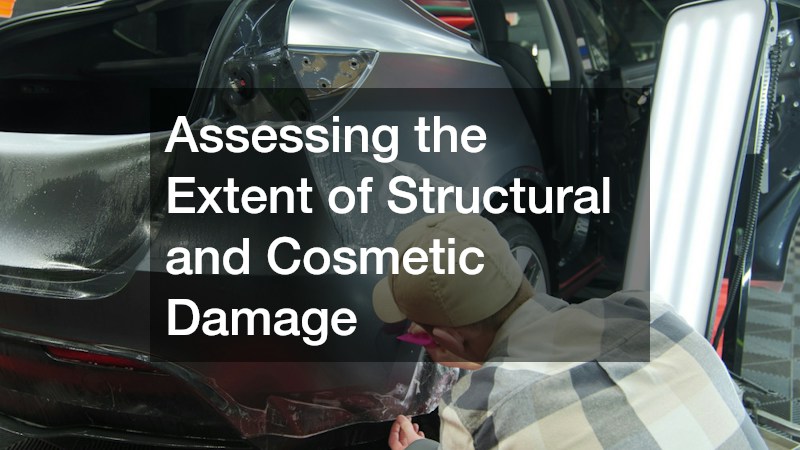
The single biggest factor in any post-accident valuation is how much physical damage the vehicle sustained, and where. Damage to the frame, suspension, or engine components typically drops value far more sharply than cosmetic dents or scratches, because structural repairs are costly and can affect long-term safety. Insurers and appraisers look closely at whether the damage is contained to bolt-on parts like bumpers and fenders or whether it extends into load-bearing sections of the chassis.
A thorough inspection after a car accident should always include an undercarriage check, since hidden frame damage is one of the most common reasons vehicles are undervalued or wrongly labeled as a total loss. Getting a second opinion from an independent inspector before accepting an insurance settlement can reveal issues the initial estimate missed.
- Frame and unibody damage significantly lowers resale and trade-in value
- Airbag deployment often signals deeper internal damage
- Suspension misalignment can indicate a harder impact than visible damage suggests
- Cosmetic-only damage retains more of the vehicle’s pre-accident value
Comparing Repair Costs to Actual Cash Value
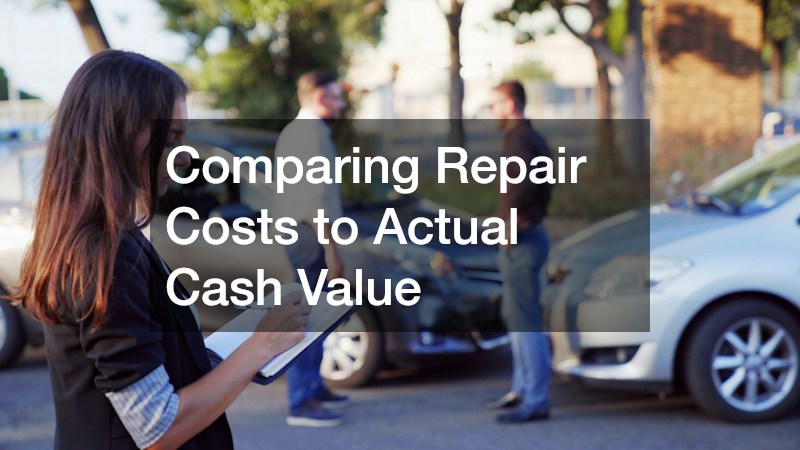
Insurance companies use a simple but important formula to decide whether a vehicle is repairable or a total loss: comparing the estimated repair cost to the vehicle’s actual cash value before the accident. If repairs exceed a certain percentage of that value, usually somewhere between 70 and 80 percent depending on the state, the insurer will often declare it a total loss rather than pay for collision repair. This threshold exists because insurers want to avoid spending more fixing a car than it would cost to simply replace it.
Understanding this ratio helps you anticipate what your insurer will decide before they even tell you. If your car is older with high mileage, even moderate damage might push it over the total loss threshold, while a newer vehicle with the same damage might still be worth repairing.
- Actual cash value accounts for age, mileage, and pre-accident condition
- Repair estimates include labor, parts, and paint matching costs
- State total loss thresholds vary and affect the insurer’s final decision
- Getting an independent repair quote can help you challenge a lowball total loss call
How Vehicle Make and Model Affect Post-Accident Worth
Not all vehicles lose value at the same rate after a crash. Trucks and heavier vehicles, for instance, often hold value better because parts and specialized labor for truck repair remain in steady demand, keeping resale interest high even after moderate damage. Popular models with strong parts availability also tend to be easier and cheaper to fix, which can keep them out of total loss territory more often than obscure or discontinued models.
Brand reputation for durability plays a role too. Vehicles known for holding up well mechanically often retain more buyer interest post-accident, since shoppers assume the underlying components are solid even if the body needs work. This is one reason two vehicles with identical damage can end up with very different final valuations.
- High-demand models often have better parts availability, lowering repair costs
- Trucks and SUVs may retain more value due to steady used-parts markets
- Discontinued or rare models can be harder and pricier to repair
- Brand reliability reputation influences buyer confidence after repairs
The Role of Mileage and Pre-Accident Condition
A vehicle’s value after an accident is never assessed in isolation from its condition before the crash. Insurers start by establishing a pre-loss baseline, often using tools like CCC One or Mitchell, which pull comparable local sales adjusted for mileage, trim, and options. High mileage, worn tires, faded paint, upholstery wear, or existing mechanical issues all get factored into that baseline before damage costs are even considered. Mileage in particular carries outsized weight. A car with 80,000 miles might be valued several thousand dollars lower than an identical model with 30,000 miles, simply because higher mileage signals more wear on the engine, transmission, and suspension. Adjusters typically compare a vehicle’s odometer reading against regional averages for its age, and anything well above that average can trigger a downward adjustment regardless of how well the car runs. Cosmetic and mechanical condition matter just as much. Pre-existing dents, aftermarket modifications, expired inspection stickers, or a rough maintenance history can all lower the starting valuation. Conversely, documented service records, recent tire or brake replacements, and clean interiors can push the baseline higher. This means two identical cars involved in the same accident can receive very different settlement offers simply because one was better maintained. A driver who kept receipts for oil changes, tire rotations, and repairs is in a much stronger position to dispute a lowball offer than one who has no paperwork to counter the insurer’s assumptions.
Mileage and pre-accident condition are two of the biggest levers insurers pull when calculating what your vehicle was actually worth before the crash. A car with 40,000 miles will almost always be valued higher than an identical model with 90,000 miles, even if both were running perfectly. Adjusters typically compare your vehicle’s odometer reading against regional averages for its age, and anything significantly above that average can drag your valuation down fast. This is why documentation matters so much. Keeping maintenance records, receipts for recent repairs, and documentation of upgrades can strengthen your case when negotiating a valuation. Oil change logs, new tires, a recent brake job, or a replaced timing belt all serve as proof that the car was mechanically sound and not just “average for its age.” Upgrades and cosmetic details count too. Aftermarket wheels, a new paint job, upgraded stereo systems, or recently replaced windshields can all justify a higher valuation if you have the paperwork to back them up. Photos taken before the accident — even casual ones from social media or a phone gallery — can also help establish that the car was clean, undamaged, and well-kept. Adjusters are more likely to honor a higher pre-accident value when you can prove the car was well cared for rather than relying on generic condition estimates. Without that evidence, insurers default to broad assumptions based on averages, which almost always work against the vehicle owner rather than in their favor.
- Mileage below the average for the vehicle’s age (roughly 12,000-15,000 miles/year) typically boosts pre-accident value, while high mileage lowers it
- Service records support a higher pre-accident valuation claim, especially oil changes, scheduled maintenance, and dealership service history
- Recent tire, brake, or battery replacements can be factored into value—keep receipts, as adjusters often add a prorated dollar amount for parts replaced within the last 6-12 months
- Excessive wear, faded paint, interior damage, or prior unrepaired damage lowers the baseline value before the accident is even considered
- A clean CARFAX or AutoCheck report with no prior accidents strengthens your claim, while a history of past collisions can reduce the payout further
- Documentation strengthens your negotiating position with adjusters, so compile receipts, photos, and inspection reports before filing a claim
Diesel and Specialty Vehicle Considerations
Vehicles with diesel engines often follow a different valuation path than standard gasoline cars, since diesel engines are typically more expensive to repair but also hold their value longer when properly maintained. A qualified diesel repair service can provide a detailed damage assessment that separates engine and drivetrain issues from body damage, which matters because drivetrain problems weigh more heavily on total loss calculations. Because diesel components are costly, insurers pay close attention to whether the engine itself was affected in the collision.
Owners of diesel trucks or specialty vehicles should request itemized repair estimates rather than accepting a lump-sum figure. This transparency helps clarify whether the vehicle is genuinely uneconomical to repair or whether the estimate is inflated by unnecessary replacement parts.
- Diesel engines often retain value better than gas engines when undamaged
- Engine and drivetrain damage weighs heavily in total loss decisions
- Itemized estimates help identify unnecessary or inflated repair costs
- Specialty vehicles may require certified technicians for accurate assessment
Repair Shop Choice and Its Impact on Final Valuation
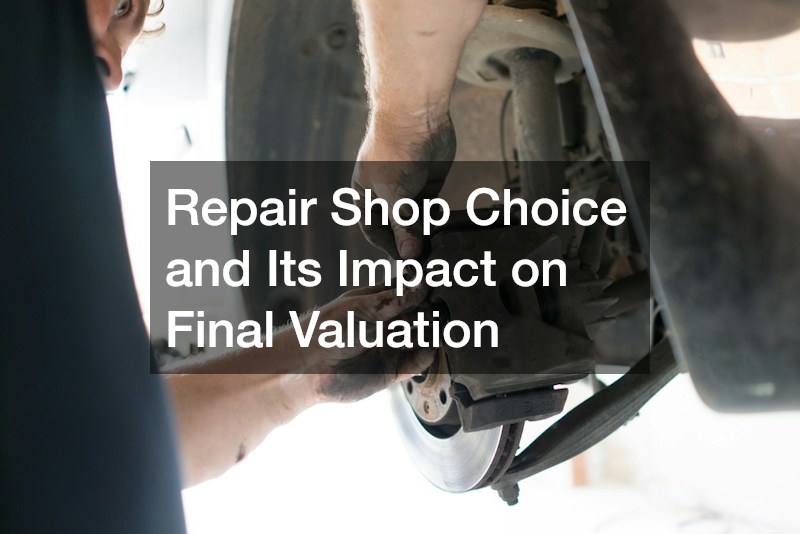 Where you choose to have your vehicle repaired can influence both the quality of the fix and how much value the car retains afterward. A reputable auto body shop with manufacturer certifications and modern equipment is more likely to restore the vehicle to pre-accident specifications, which matters if you plan to sell or trade it in later. Cutting corners with an uncertified shop might save money upfront but can leave misaligned panels or improperly cured paint that hurts resale value.
Buyers and appraisers often check for signs of prior collision repair, such as overspray, panel gaps, or mismatched paint texture. Choosing a shop known for meticulous car collision repair work reduces the risk of these red flags showing up during a future inspection or vehicle history check.
- Certified shops often use OEM parts, preserving resale value better
- Poor repair quality can be flagged during future used car inspections
- Paint matching and panel alignment affect long-term appearance and value
- Warranty on repair work can reassure future buyers
Brand-Specific Repair Networks and Value Retention
Some manufacturers maintain specialized repair networks designed to restore vehicles to exact factory standards, and using them can directly affect resale value. For example, seeking out ram collision repair through a shop with manufacturer-specific training ensures that structural repairs meet the exact tolerances Ram trucks are built to, which matters for both safety and future appraisal accuracy. Vehicles repaired outside these certified networks sometimes carry a stigma among buyers who worry about non-standard parts or techniques.
Manufacturer-backed repairs often come with documentation that can be shown to future buyers or appraisers as proof of proper restoration. This paperwork can make a measurable difference when negotiating a trade-in price or private sale, since it removes uncertainty about how the repair was handled.
- Manufacturer-certified repairs help preserve warranty coverage
- Documentation from certified repairs reassures future buyers
- Non-standard repairs can raise red flags during resale negotiations
- Structural repairs must meet exact factory tolerances for safety
Small Cosmetic Fixes That Influence Perceived Value

Not every value-boosting repair needs to be extensive. Small cosmetic issues, like cloudy or yellowed headlights, can make a vehicle look older and more neglected than it actually is, which negatively affects buyer perception even if the accident damage was minor. Investing in headlight restoration is a low-cost way to improve both the look and functionality of the vehicle before an appraisal or sale.
Appraisers and private buyers often form quick impressions based on visual details rather than mechanical facts. Addressing small cosmetic wear alongside accident repairs can help the vehicle present better overall, potentially offsetting some of the value lost from the collision itself.
- Cloudy headlights can make a car appear older or poorly maintained
- Minor cosmetic fixes are inexpensive compared to their impact on perception
- Clean, restored details help offset visual signs of prior damage
- First impressions during appraisal often influence final offers
When Selling for Parts or Scrap Makes More Financial Sense
Sometimes the smartest financial move after a serious accident is not to repair the vehicle at all. If repair costs approach or exceed the car’s value, or if the damage is severe enough that resale interest will be minimal, selling to a service offering cash for junk cars can be a faster and more practical option than pursuing traditional repairs. These buyers typically evaluate the vehicle for scrap metal and salvageable parts rather than roadworthiness, which simplifies the transaction considerably.
This route also avoids the ongoing costs of storage, insurance, and registration on a vehicle that may never be economically viable to fix. For many owners, especially those with older vehicles that were already declining in value before the accident, this option provides a clean and quick way to recover some cash without further hassle.
- Junk car buyers typically pay based on weight and salvageable parts
- This option eliminates ongoing storage and insurance costs
- It is often faster than trying to sell a damaged car privately
- Ideal for vehicles where repair costs exceed realistic resale value
Insurance Negotiation Tactics That Protect Your Payout
Many drivers accept the first settlement offer from their insurer without realizing there is room to negotiate. Gathering independent repair estimates, comparable sale listings for similar vehicles, and documentation of recent maintenance can all support a request for a higher payout. Insurers expect some negotiation, and coming prepared with solid evidence often leads to a better outcome than simply accepting the initial number.
It also helps to understand the specific terms in your policy regarding total loss thresholds and diminished value claims, since some states allow you to recover money for the reduced resale value of a vehicle even after it has been fully restored to working condition. Knowing these details before starting negotiations puts you in a stronger position to advocate for a fair settlement.
- Independent appraisals can counter lowball insurance offers
- Diminished value claims may be available even after a vehicle is restored
- Comparable vehicle listings strengthen your negotiating position
- Understanding policy terms prevents accepting an unfair settlement
A vehicle’s value after an accident depends on far more than the visible dents and scratches, from structural damage and mileage to the reputation of the shop that handles the repairs. By understanding these factors, gathering proper documentation, and knowing when repair or resale makes more financial sense, you can approach the process with confidence rather than uncertainty. Take the time to get multiple opinions, ask questions, and weigh your options carefully before accepting any settlement or repair plan.